
- Sakal India Foundation
- December 20, 2025
H2: Why the Pre-College Phase Is More Stressful Than We Admit
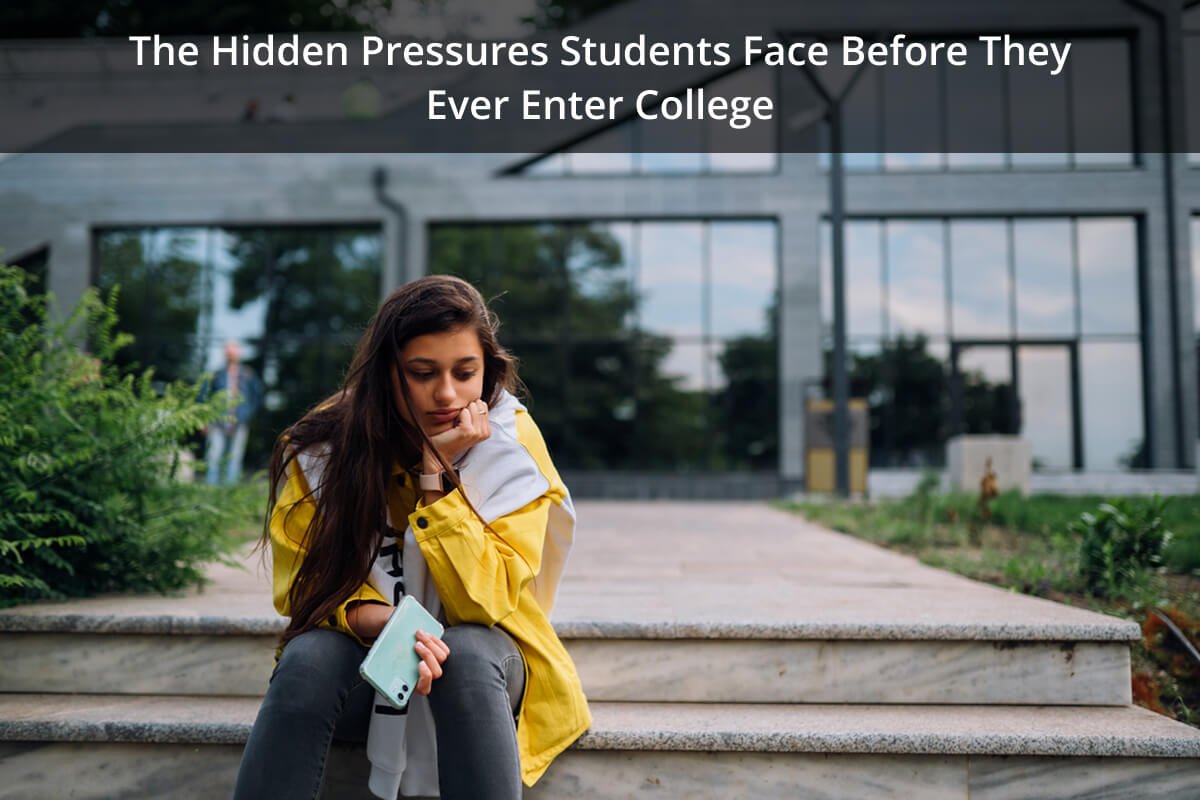
The years before college are often described as a stepping stone—temporary, preparatory, and less intense than what lies ahead. But for many students, this chapter moves few of the weightiest exciting, psychological, and common belief of their complete academic journey. What form it specifically troublesome is that much of this stress goes hidden, unknown, or discharged as “usual.”
This blog survey reason the pre-association time is so challenging, how various pressures calmly increase, and reason sensitive readiness wins as much consideration as academic development.
H2: The Illusion That “Real Pressure” Starts in College
There is a common belief that stress truly begins only after college starts—when careers, jobs, and adult responsibilities take over. This delusion minimizes the force of pressure undergraduates face during school age.
When juniors express worry before institute, it is often ignored accompanying phrases like “this is nothing distinguished to what’s coming.” Such release normalizes stress a suggestion of correction questioning it. Over opportunity, scholars incorporate within one’s self the plan that fighting is weakness what pressure is plainly contained fame. This mindset bars ruling class from pursuing help and constructs a breeding where passionate destroy be necessary alternatively backed.
H2: Academic Performance as Identity
For many students, marks and ranks evenly stop being response and start suitable correspondence.
When praise, attention, and confirmation are usually firm to act, scholars learn to measure their value numerically. A good score feels like self-esteem; a distressing score feels like misstep as a person. Over opportunity, this union conceives fear about assessment—not just fear of achievement poorly, but fear of losing profit in analysis of possible choice. This correspondence-acting fusion form academic pressure intensely private and excitedly charged.
H2: Fear of Falling Behind Before the Race Begins
Even before students enter college, many feel they are already lagging behind.
Early comparisons—test scores, coaching batches, Olympiads, entrance exam preparation—create the sense that life is a race that has already begun. Students constantly measure themselves against peers, siblings, and online success stories. This generates anticipatory anxiety: fear not just of current failure, but of being unprepared for a future that feels relentlessly competitive. Instead of curiosity, learning becomes defensive—focused on not falling behind.
H2: Parental Expectations and Unspoken Obligations
Parents are often a source of love, sacrifice, and support—but also a powerful source of pressure.
Many students carry a strong desire to make their parents proud, especially when families have invested heavily—emotionally or financially—in education. Alongside this is the fear of disappointing family or being seen as ungrateful. For some, there is an added weight of carrying generational hopes: being the one who secures stability, respect, or upward mobility for the entire family. Even when parents do not explicitly demand success, students often internalize expectations deeply.
H2: Comparison Culture Fueled by Exams and Rankings
Exams and rankings do more than evaluate performance—they constantly rank human worth.
From classroom rankings to national entrance exam scores, students are repeatedly placed in hierarchies. This comparison culture erodes confidence by shifting focus from growth to relative standing. Even high-performing students feel pressure to maintain rank, while others feel perpetually inadequate. Over time, comparison becomes internalized, shaping self-talk and self-belief long after exams are over.
H2: Coaching Culture and the Pressure to Conform
The rise of coaching culture has standardized not only preparation, but aspiration.
Many students feel compelled to follow narrow, pre-approved paths—specific exams, subjects, and careers—regardless of personal interest. Coaching environments often emphasize volume, speed, and competition, leaving little room for exploration or reflection. Students who do not fit the mould may feel lost or inferior. This pressure to conform discourages individuality and reinforces the idea that deviation equals risk.
H2: Financial Anxiety Before Higher Education Even Begins
Financial stress often enters the picture long before college starts.
Students worry about whether their families can afford tuition, coaching, relocation, or private institutions. The prospect of education loans and the pressure to ensure a “return on investment” weigh heavily on young minds. This anxiety can push students toward choices perceived as safer or more lucrative, even when misaligned with interest or aptitude. Financial concern, when unaddressed emotionally, quietly shapes decision-making.
H2: Social Background and the Burden of Representation
For first-generation learners or students from marginalized backgrounds, pressure carries an added layer.
These students often feel they are not just choosing for themselves, but representing their family, community, or social group. There is fear of confirming stereotypes or wasting rare opportunities. At the same time, they may lack access to guidance, networks, or role models. This burden of representation creates constant self-monitoring and emotional strain that peers from more privileged backgrounds may never experience.
H2: Decision Fatigue at a Young Age
Students are often required to make “life-defining” decisions at an age when self-understanding is still developing.
Choosing subjects, streams, exams, and colleges involves constant evaluation, doubt, and second-guessing. Each decision feels heavy because it is framed as irreversible. Over time, this creates decision fatigue—mental exhaustion from continuous pressure to choose correctly. Instead of empowering students, the system overwhelms them with responsibility before they are emotionally equipped to carry it.
H2: Lack of Emotional Guidance in Schools
Most schools prioritize academic preparedness over emotional readiness.
While students are coached extensively for exams, they are rarely guided on managing fear, uncertainty, disappointment, or self-doubt. Emotional struggles are often treated as distractions rather than signals. Without structured emotional guidance, students learn to suppress rather than process their feelings. This gap leaves them vulnerable during one of the most emotionally intense phases of their lives.
H2: Silent Mental Health Struggles Students Don’t Voice
Much of student distress remains unspoken.
Anxiety and self-doubt are often hidden behind the appearance of motivation or discipline. Fear is reframed as ambition; exhaustion is normalized as hard work. Students push themselves while feeling emotionally depleted, believing that struggle is proof of commitment. Without spaces to talk openly, emotional exhaustion accumulates quietly, sometimes surfacing much later as burnout or disengagement.
H2: How These Pressures Shape College Choices
When pressure dominates, fear-driven decisions replace curiosity.
Students choose colleges, courses, and careers based on perceived safety, prestige, or approval rather than personal fit. The goal becomes avoiding regret rather than pursuing growth. While these choices may appear practical, they often lead to dissatisfaction, loss of interest, or identity confusion later. The pre-college pressures do not end at admission—they shape the entire college experience.
H2: What Students Actually Need Before College
Before college, students need far more than academic readiness.
They need safe spaces for honest conversation where uncertainty is allowed. They need emotional validation that reassures them their fears are understandable. They need exposure to diverse paths beyond rankings and rigid success narratives. Most importantly, they need permission to evolve—to understand that choices are not final and growth is ongoing. Emotional support at this stage can fundamentally change how students engage with education.
H2: FAQs About Pre-College Student Pressure
The stress of the pre-college phase is widely experienced but rarely discussed openly. These frequently asked questions address common concerns with depth and clarity.
Q1. Why is the pre-college phase so stressful for students?
The pre-college phase is stressful because it compresses high expectations, uncertainty, and identity formation into a short period. Students are asked to perform consistently while making future-oriented decisions without full information or control. The belief that these choices are permanent intensifies fear, while lack of emotional support makes stress feel isolating
Q2. Do all students experience these pressures equally?
No. While most students feel some pressure, its intensity varies based on social background, financial security, parental expectations, and access to guidance. First-generation learners, marginalized students, and those facing financial constraints often carry additional emotional burdens that remain invisible within standardized systems.
Q3. How can parents reduce pressure without disengaging?
Parents can reduce pressure by shifting from outcome-focused conversations to process-focused support. Listening without immediately correcting, reassuring children that worth is not conditional on performance, and allowing room for exploration helps students feel supported rather than scrutinized. Staying emotionally present matters more than controlling decisions.
Q4. What role should schools play before college entry?
Schools should actively support emotional preparedness alongside academics. This includes career guidance rooted in self-awareness, structured conversations about stress and uncertainty, mentorship programs, and teacher training in emotional sensitivity. Schools can help normalize struggle instead of dismissing it.
Q5. Can early emotional support change long-term outcomes?
Yes. Early emotional support builds self-trust, resilience, and adaptability. Students who feel emotionally supported make clearer choices, recover more easily from setbacks, and engage more meaningfully with learning. Emotional readiness is not separate from success—it is foundational to it.
H2: Key Takeaways
The pressure students face does not suddenly appear in college—it begins much earlier.
Many pre-college stresses remain invisible, normalized, or misunderstood, even though they shape identity and decision-making deeply. Academic readiness alone is not enough; emotional readiness matters just as much. When students are supported early—with empathy, exposure, and permission to grow—their entire education journey can shift from fear-driven survival to meaningful development.




Post a Comment