
- Sakal India Foundation
- February 5, 2026
Table of Contents
Why Education Matters for India’s Growth
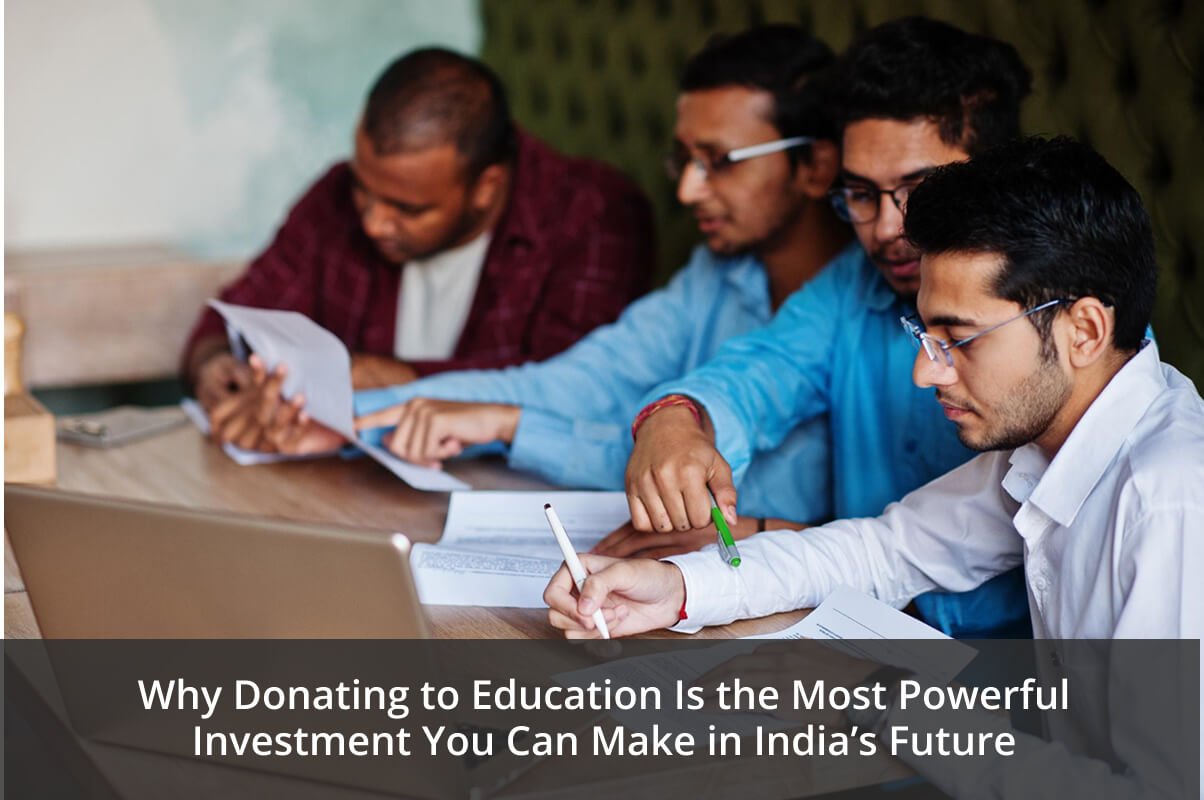
Education plays a life-changing part in shaping not only individual futures but likewise the management of a country with its own government. In a rapidly cultivating country like India, approach to status education straightforwardly influences business-related progress, change, and social mobility.
Education is carefully connected to national growth cause it builds human capital—the information, skills, and wherewithal that drive output and change. A well-educated culture donates to more forceful industries, concerning details progress, and revised governance.
When juniors attain to feature education, they are better outfitted to take part in the trained workers, start businesses, and provide intentionally to people. Education also reduces want, advances common equality, and strengthens representative principles. For India, investing in instruction resources spending in long-term financial security and all-encompassing competitiveness.
The Financial Barriers Students Face
Despite its significance, approach to instruction is not equal for all. Many students face meaningful commercial challenges that limit their moment and prevent bureaucracy from arriving their entire potential.
The cost of education maybe overpowering for many offspring, especially those from economically underprivileged education. Common commercial barriers contain:
• Tuition payments
Rising school and organization fees place a weighty burden on offspring, specifically for private institutions and professional courses.
• Living expenses
Students the one move to ports for university must cover reconciliation, food, and conveyance costs, that maybe substantial.
• Study matters
Textbooks, remark matters, online money, and test readiness tools increase overall expenses.
• Access to university
Entrance exam accounts, use charges, and instructing classes often found supplementary economic strain.
• Technical education costs
Engineering, healing, and pertaining to work courses usually require specific supplies, lab expenses, and bigger education rates.
• Digital access and science
Laptops, trustworthy cyberspace connections, and program forms are more essential but may not be inexpensive for all undergraduates.
Addressing these monetary barriers is critical to guaranteeing that ability and potential—not economic background—determine a student’s future.
How Educational Donations Make a Difference
Access to education can change the trajectory of a student’s life, but financial limitations often stand in the way. This is where community support and educational donations play a vital role.
Educational donations help bridge the gap between potential and opportunity. For deserving students from financially constrained backgrounds, even modest financial support can determine whether they continue their studies or are forced to discontinue them.
Donations can cover tuition fees, provide essential study materials, fund accommodation, or support access to digital tools. Beyond financial relief, this support also boosts confidence and motivation. When students know that someone believes in their potential, it strengthens their commitment to succeed. In this way, educational contributions not only fund academics—they invest in dreams, talent, and long-term societal growth.
Impact of Scholarships on Student Futures
Scholarships, in particular, offer structured financial assistance that empowers students to focus fully on their education without constant financial stress.
Scholarships provide students with stability and the freedom to pursue higher education and specialized training. By reducing or eliminating financial pressure, students can dedicate more time to academic excellence, skill development, and career preparation.
This support directly contributes to career advancement. Students are more likely to complete degrees, access internships, participate in professional training, and explore leadership opportunities. In the long run, scholarship recipients often secure better employment prospects, higher earning potential, and greater financial independence.
Ultimately, scholarships do more than fund education—they create pathways to upward mobility, helping individuals transform their futures while contributing positively to the nation’s workforce and economy.
Supporting Higher Education Through Donations
Higher education opens doors to advanced career opportunities and global exposure, but financial limitations often prevent deserving students from pursuing their ambitions. Structured financial support systems play a critical role in ensuring that talent is not restricted by economic background.
Supporting Higher Education Through Donations
Targeted donations and financial assistance programs make it possible for students to access quality higher education in India and abroad. By reducing financial stress, these initiatives allow students to focus on academic excellence and long-term career goals.
Interest-Free Educational Loans
Interest-free educational loans provide students with much-needed financial support without the burden of accumulating debt. Unlike traditional loans, these programs ease repayment pressure and allow graduates to begin their careers without financial strain.
Such support ensures that capable students can enroll in reputable institutions, complete their degrees, and repay the assistance once they are financially stable—creating a sustainable cycle of support for future students.
Career Development Scholarships
Career development scholarships are designed to help students pursue professional courses, certifications, and specialized training. These scholarships reduce financial barriers that might otherwise limit access to competitive career paths.
By supporting tuition, exam fees, and related expenses, scholarships empower students to build strong professional foundations, enhance employability, and secure meaningful career opportunities.
Technical Education Support
Technical education programs—such as engineering, medical, vocational, and skill-based courses—often involve higher costs due to lab fees, equipment, and specialized training requirements.
Financial assistance for technical education ensures that talented students can pursue industry-relevant skills without compromising due to affordability. Organizations like SIF provide financial aid and scholarships to help needy students pursue higher education in India and abroad, ensuring that financial hardship does not stand in the way of technical and professional growth.
Through structured donations and scholarship programs, higher education becomes accessible, inclusive, and transformative for deserving students.
Role of Donors in Skill Development
Behind every educated and skilled individual, there is often a network of supporters who believed in their potential. Donors play a critical role in shaping futures through meaningful educational contributions.
Donors contribute far beyond financial assistance—they enable access to skill-based education, vocational training, and professional development opportunities. Their support helps students gain practical knowledge, technical expertise, and industry-relevant competencies that prepare them for real-world challenges.
Over time, this leads to long-term empowerment. When students are equipped with valuable skills, they become financially independent, confident decision-makers, and contributors to society. Donor support creates a cycle of growth, where educated individuals uplift their families and communities, multiplying the impact of every contribution.
Long-Term Societal Benefits
When education and skill development are supported consistently, the positive effects extend across society and generations.
- Employment opportunities
Skilled individuals are better positioned to secure stable jobs and meaningful careers. - Economic growth
A trained workforce enhances productivity, innovation, and national competitiveness. - Reduced inequality
Access to education narrows socio-economic gaps and promotes equal opportunities. - Stronger communities
Educated individuals actively participate in community development and social progress. - Sustainable development
Education fosters informed citizens who contribute responsibly to long-term social and economic stability.
Investing in education today creates a more equitable, prosperous, and resilient society for tomorrow.
Economic Impact of Education Support
Investing in education does more than transform individual lives—it strengthens the foundation of an entire economy. When students receive the support they need to complete their education, the benefits extend far beyond the classroom.
Education support directly contributes to improved productivity at both individual and national levels. Skilled and knowledgeable individuals are better equipped to perform efficiently, adapt to technological changes, and contribute to innovation within their industries.
As more students gain access to higher education and technical training, the workforce becomes more competent and competitive. This leads to higher employment rates, increased income levels, and stronger economic output. In the long term, supporting education reduces dependency, strengthens industries, and drives sustainable economic growth.
Education as a Sustainable Social Investment
Beyond short-term economic gains, education support serves as a long-term social investment. It creates opportunities that benefit future generations and contribute to lasting societal progress.
Supporting education creates ripple effects that extend across communities and industries. Key long-term benefits include:
- Skill development
Access to quality education equips individuals with practical and technical skills that enhance employability and workforce readiness. - Innovation growth
Educated individuals contribute to research, entrepreneurship, and technological advancement, driving innovation across sectors. - Financial independence
Higher education often leads to better career opportunities and income stability, enabling individuals to support themselves and their families. - Social mobility
Education provides a pathway for individuals from disadvantaged backgrounds to improve their socio-economic status and break cycles of poverty. - Community development
Educated individuals are more likely to contribute positively to their communities, participate in civic life, and support future educational initiatives.
By viewing education as a sustainable social investment, societies can build stronger economies, reduce inequality, and create lasting opportunities for growth.
FAQs About Donating to Education
Many individuals and organizations are interested in supporting education but often have questions about how their contributions make a real difference. Below are answers to some common queries about donating to education.
Q1. Why should I donate for education in India?
Donating to education in India helps bridge financial gaps that prevent deserving students from accessing quality learning opportunities. Your contribution supports national development by empowering students to become skilled professionals, entrepreneurs, and responsible citizens.
Q2. How do scholarships help students succeed?
Scholarships reduce financial stress, allowing students to focus on academics and skill development. With fewer financial worries, students can pursue higher education, participate in internships, and build stronger career foundations.
Q3. Can donations support higher education?
Yes, donations can fund tuition fees, living expenses, study materials, and technical training programs. They can also support interest-free educational loans and scholarships for students pursuing higher studies in India and abroad.
Q4. What is the impact of education funding?
Education funding improves access to learning, increases graduation rates, enhances employability, and strengthens economic productivity. It creates long-term social and economic benefits for both individuals and communities.
Q5. How can I contribute to student development?
You can contribute by sponsoring scholarships, funding educational programs, supporting skill-development initiatives, or partnering with organizations that provide financial aid to deserving students. Even small contributions can collectively create significant impact.
Supporting education is not just charity—it is an investment in a brighter, more equitable future.
Key Takeaways
Education has the power to transform individuals, uplift communities, and strengthen the nation’s future. Here are the key insights to remember.
- Education drives national progress
A well-educated population fuels economic growth, innovation, and social development. - Donations empower students
Financial support removes barriers, giving deserving students the opportunity to pursue higher education and achieve their potential. - Long-term social impact
Investing in education creates lasting change by promoting financial independence, social mobility, and community development.
Support a Student’s Educational Journey with Sakal India Foundation
Your contribution can open doors to higher education for deserving students through scholarships and interest-free education loan support.Make a meaningful difference today—visit https://www.sakalindiafoundation.com/ to donate now and help shape a brighter future.




Post a Comment