
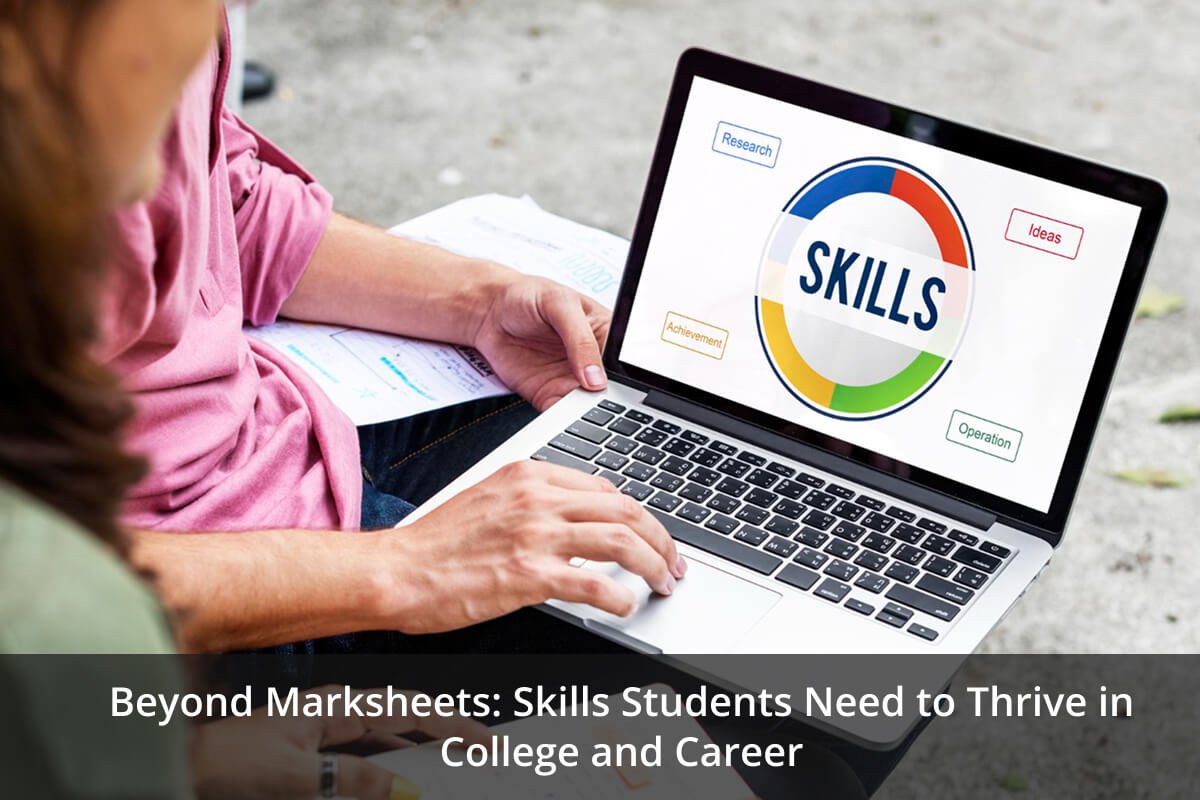
- Sakal India Foundation
- June 10, 2026
Table of Contents
Why Good Grades Alone Are No Longer Enough
Academic excellence still matters, yet the modern and very competitive job market asks for more than just solid grades. Employers now look for people who can actually use what they learned, handle tricky situations, talk clearly , work with others without friction, and keep up when the workplace changes.
The Traditional Focus on Academic Achievement
For quite a lot of years, academic results were treated as the main indicator of a student potential. Strong grades often became that deciding factor for admissions and later, certain job chances.
How Success Is Measured Differently Today
Today, success is judged through a more flexible set of signals. This includes practical know how , communication, teamwork, a bit of leadership, plus the willingness to learn continuously. Many employers want candidates who can contribute right away, not after months of training and adjustment.
Why Employers Look Beyond Marksheets
Academic credentials do still carry weight, of course, but employers also consider other things like problem solving, professional behavior, adaptability, digital literacy and interpersonal communication. In many cases , these traits show up more clearly in day to day performance than marks alone do.
The Gap Between Academic Knowledge and Real-World Application
A lot of students finish school with pretty solid theoretical knowledge, but they usually get very limited exposure to how things work in the actual workplace. Internships, real projects, volunteering, and hands-on situations help reduce that gap in a practical way ,because they build up skills you can use from day one in a job setting.
Success Requires More Than Subject Expertise
Technical knowledge sort of becomes the starting line for a career, but for real long term momentum you need more than just the course content. You end up leaning on professional skills, and some confidence too, plus resilience, careful critical thinking, and also the ability to recalibrate when new challenges show up, or when even better opportunities show up later.
A marksheet can open doors, but real abilities decide how far students move after those doors are already open, and that part is often what really matters..
The Changing Definition of Student Success
Student success isn’t really about grades alone anymore. In this ever-changing world, “success” is also measured through personal growth , practical know how, adaptability, and basically the capacity to do well in different study and work settings that feel kinda unfamiliar at first.
From Exam Performance to Holistic Development
Even if exams still matter, schools and employers seem to agree on something else as well… holistic development counts. Skills like communication, guiding other people, imaginative thinking, and emotional intelligence are getting treated as needed too, alongside academic achievement, not as a “bonus add on” sort of thing.
Why Colleges Value Well-Rounded Students
A lot of colleges actively search for students who show initiative, take part in the community, collaborate in teams, and reach goals through clubs or similar activities. That kind of well rounded profile shows a student can contribute beyond the classroom walls and adjust when the circumstances change , or when the environment is different.
The Impact of Technology and Globalization
Technology and globalization are kind of rewired, most of the usual rules… at least that’s how it feels. How people learn , and also how they later manage to work, has shifted. Students now have to be prepped to collaborate across cultures, handle digital instruments correctly, and stay ready to change course, because entire industries, job functions, and even career pathways keep moving, sometimes faster than anyone expects.
Future Careers Require Diverse Skill Sets
A modern job usually asks for more than just technical knowledge. Employers care about critical thinking, real problem solving, teamwork, digital fluency, the ability to adapt, and ongoing learning, so a wide set of skills becomes, kind of, non negotiable for lasting success.
Learning Beyond Textbooks
Not all strong lessons land inside a classroom. Often the more useful stuff happens elsewhere: internships, volunteering, practical assignments that are hands on, contests and challenge events, leadership responsibilities, plus all kinds of extracurriculars. These things help students develop practical capability , kind of measurable competence, grow confidence, and get a more accurate sense of the real world problems, like what those difficulties actually feel like in practice.
| Traditional Success Indicators | Modern Success Indicators |
|---|---|
| Grades and ranks | Skills and adaptability |
| Memorization | Problem-solving |
| Academic performance | Holistic development |
| Subject knowledge | Real-world readiness |
Skills That Help Students Succeed in College
Life in college is like, you’re expected to have more independence, more responsibility and, you know, that self starting kind of push than most students ever get while they are still in school. If students manage to build the right blend of academic and personal competencies, they seem to adjust easier to new expectations, keep their grades more steady, and honestly get a greater payoff from the education they are paying for, not just the credentials, but the whole experience.
Time Management and Self-Discipline
When they set up their schedule properly , and hold on to a little self-control, they can remain organized, submit assignments on time, and still maintain a balanced pattern between studying and real life.
Independent Learning Skills
Compared to school, college is more about students taking charge of how they learn. The ability to study on their own, look up helpful resources , and keep motivation going matters a lot for long-term progress, not just quick wins.
Research and Information Evaluation
Students also need to learn where to get reliable details, how to judge sources carefully, and how to use proof for essays and group projects. Research related skills are useful during college, and they continue to help later on too.
Effective Note-Taking and Organization
Communication and Presentation Skills
Being able to share ideas clearly in written tasks, presentations, and even everyday discussions helps learners join in with more confidence in class. Also it quietly prepares them for future professional surroundings, where communication matters a lot.
Collaboration and Group Work
A lot of college projects are basically teamwork. Learning to communicate in a steady way, respecting different angles and opinions, and contributing in a responsible manner lets students build collaboration abilities that are useful not only for grades, but also for work life later.
Managing Academic Pressure
College can feel heavy , especially around exam weeks and those project due dates that just stack up. Making coping strategies that actually stick, keeping a balanced daily rhythm and then reaching out for help when it’s needed , all of that really helps students keep stress on a leash, while still staying locked in on their goals.
| Skill | Why It Matters in College |
|---|---|
| Time Management | Balancing studies and activities |
| Communication | Presentations and discussions |
| Research Skills | Better academic performance |
| Collaboration | Group projects and teamwork |
Essential Career Skills Every Student Should Develop
Graduation success is not just about grades or academic credentials . Most employers look for graduates who can speak up well, handle challenges , work alongside other people, and adjust when the workplace keeps moving, sometimes pretty fast. If students start shaping these abilities early, the jump from school to employment feels less shaky , and way more doable in real life.
Problem-Solving Abilities
Every job setting brings fresh hurdles, even the ones no one warned you about. When students learn to think carefully, break down what’s happening, and form realistic solutions, they end up being better prepared for ongoing duties and they can support the wider goals of the organization.
Decision-Making Skills
Good decision making is basically more than choosing fast. It means weighing information, thinking about different outcomes ,and then picking the most suitable option. Practicing this skill helps students grow surer in themselves and more accountable in both classes and on the professional side.
Professional Communication
Communication matters for interviews, everyday workplace chats, official presentations and also for teamwork. Students should learn how to share concepts clearly, listen with real attention and write in a professional tone. Once that clicks, it typically builds a stronger initial impression, and it helps people coordinate better together.
Adaptability in Changing Environments
Workplaces don’t sit still. Tech keeps changing, industries rebrand, and expectations get revised. Students who stay open to learning fresh methods , accept change, and remain flexible when conditions shift are more likely to thrive in careers that evolve bit by bit over time.
Leadership and Initiative
Leadership is basically about taking responsibility, urging other people, and being ready to move ahead when chances show up, you know. When you show initiative it signals confidence, reliability, and a more proactive mindset toward learning and daily work.
Accountability and Responsibility
Accountability is basically being reliable, meeting deadlines, keeping commitments, and taking ownership over what you do, even when nobody is watching. Employers usually like this kind of ownership a lot, it helps make trust stronger, and somehow everything feels more proper professional, not sure why.
Networking and Relationship Building
Networking, or building relationships that actually matter, with classmates, mentors, professors, alumni , and industry folks can open doors to internships, guidance, career direction , and later job prospects. A solid professional network often becomes a quiet but important driver in long-term career growth.
Featured Snippet Opportunity
Top Career Skills Students Should Develop Before Graduation
- Problem solving and critical thinking
- Decision-making ability
- Professional communication
- Adaptability and ongoing learning
- Leadership and initiative
- Accountability and responsibility
- Teamwork and collaboration
- Networking and relationship building
The Human Skills Employers Value Most
Sure, technical knowledge matters , but in a lot of situations it’s the human skills that quietly decide how well people work with others, handle problems, and adapt when things shift. These abilities make it easier for someone to build solid professional connections and keep moving toward success in today’s more cooperative workplaces.
High-Value Content Gap Section
Emotional intelligence is basically the capacity to notice, understand , and manage your own feelings while also spotting, and reacting to the emotions of other people. It helps employees speak more clearly, stay steady under pressure, and grow healthier workplace relationships.
Empathy and Relationship Building
Empathy helps people really grasp other viewpoints and then answer with some respect, plus genuine compassion, even when the situation feels complicated. If someone is putting effort into relationship building, it usually leads to trust forming, collaboration getting stronger and, somehow, the entire work setting feels more upbeat.
Teamwork and Collaboration
A lot of organizations depend on teams to hit shared goals. Employers usually value students who can talk openly, offer support to colleagues, and contribute in a group space in a practical and steady way.
Conflict Resolution
Disagreements are normal, almost unavoidable in any workplace. The ability to resolve conflict calmly, pay attention to different opinions , and aim for usable solutions helps keep professional relationships from turning sour, and keeps daily work running smoother.
Active Listening
Pay attention, really listen, is as important as speaking clearly too. When you practice active listening you get a better grasp of what’s said , you avoid a bunch of misunderstandings, and it makes cooperation between team members feel more genuine, and less tense.
Creativity and Innovation
Employers often favor people who can think in a inventive kind of way, bring forth fresh choices, and handle issues from other angles too. When innovation starts showing up, companies can pivot faster, and hold onto a competitive edge in a world that keeps moving , constantly.
Growth Mindset and Resilience
A growth mindset backs ongoing learning and gradual upgrades, while resilience lets someone bounce back from setbacks and still handle fresh pressures without folding. In the end, all of these traits, together, support lasting success in personal life and work life at once, you know.
| Technical Skills | Human Skills |
|---|---|
| Can be taught | Often developed over time |
| Job-specific | Transferable across careers |
| Important | Increasingly critical |
Life Skills That Schools Often Don’t Teach
Schools give a solid academic basis, but a lot of practical know how gets picked up somewhere else, not inside the classroom. These daily abilities let students handle responsibilities better, choose more carefully, and get ready for what’s coming in college, work, and real independent life.
Financial Literacy
Getting the hang of how to budget, save, spend with purpose, and keep track of money stuff is one of those life skills that really matters, like honestly. Basic financial literacy helps students make better decisions about tuition costs, daily expenses, and also those longer-term money targets. It’s kinda like… small routines that add up, even when it feels a bit boring at first.
Managing Time and Priorities
Trying to juggle homework, clubs or other activities , personal obligations, and some downtime means you need real time management. When students learn to sort tasks by importance, they’re more likely to stay organized, feel less stress , and reach their goals faster.
Stress Management and Emotional Well-Being
School pressure, shifting duties, and personal problems can really hit a student’s well being. Building healthy coping habits, keeping a steady routine, and being aware of when support is needed all matter for long run success.
Goal Setting and Self-Motivation
When students set clear, and realistic goals, they end up with direction plus momentum. Self motivation helps them hold onto focus, move beyond setbacks, and keep stacking progress even when things feel hard, or a bit chaotic and messy.
Responsible Digital Behavior
In today’s digital world, students really need to use technology in a responsible kind of way. Protecting personal information, keeping a positive online presence , verifying what you see and reading through, and practicing respectful online communication are still essential digital life skills, kind of basic but also not optional.
Personal Branding and Professionalism
The way students put themselves out there — both online and offline — can impact future academic paths and later career opportunities. When a student builds a professional image by using respectful communication , showing ethical behavior, and keeping a positive attitude, it creates impressions that tend to last longer, even after the moment passes.
Learning How to Learn
Those lifelong learners are usually better equipped to handle shifting careers, evolving technologies , and new opportunities across their lives, yes even when plans get a little messy.
How News, Awareness, and Real-World Learning Build Future-Ready Students
In class learning it gives students a solid base , but honestly also knowing what’s happening outside the classroom helps them become sure of themselves and able people. With efforts like the Sakal India Foundation and the Newspaper in Education (NIE) program, students don’t drift away from what’s happening now , they keep up with current events and pick up useful skills that support life once school ends.
Sakal India Foundation & NIE-Relevant Section
Education is not only about getting high grades. When students stay tuned to what is going on around them, they often become more confident , more curious, and more ready to face real situations without panicking.
Why Awareness Matters Beyond Academics
When students read about community life, the economy, and world happenings , they start seeing how everything connects.
Understanding Social, Economic, and Global Issues
Keeping up with current affairs makes learning feel fresh and relevant. It boosts general knowledge , improves communication, and also helps students remain informed about key events that are quietly shaping the world around them.
Learning Through Current Affairs
Students who routinely read and explore different points of view end up thinking a bit before they form opinions . This practice, makes it easier for them to share their ideas clearly while still honoring perspectives that might feel different from their own.
Developing Informed Opinions
Real-world examples push students to ask questions, dig into information and tackle problems with care. Those moments , train critical thinking, and that ends up being useful in school and also in future work.
Becoming an Engaged and Responsible Citizen
Growing awareness helps students take a genuine interest in their neighborhoods and wider society . When they understand key issues, and what their role can be, they gradually become responsible citizens who can contribute in a good way.
Comparison Table
| Classroom Learning | Real-World Learning |
|---|---|
| Theory-focused | Context-focused |
| Structured content | Dynamic learning |
| Subject-specific | Interdisciplinary understanding |
Common Skill Gaps That Hold Students Back
Getting ahead in school and in life depends on a lot more than just what someone knows. A bunch of students run into skill gaps, that can quietly mess with their confidence, how they communicate, and their overall growth unless its handled early on.
Fear of Public Speaking
A lot of students get nervous when they have to speak, in front of a classroom or audience. With steady practice and a bit of encouragement, they usually start sounding more natural , and more confident over time
Poor Communication Skills
Some students can actually understand the material, but then they can not explain their ideas clearly. Having solid communication skills helps students do better in academics AND also in everyday situations.
Lack of Confidence
Low confidence can hold students back from stepping into new opportunities even when they really want to. When self belief grows, it becomes simpler to take action , and also chase their aims
Difficulty Working in Teams
Teamwork needs cooperation, patience and respect for different viewpoints. When students do group tasks regularly they build those skills bit by bit not all at once
Limited Problem-Solving Experience
A lot of students have a limited amount of exposure to working through real-life problems. In practice, learning tends to nudge them toward critical thinking, and also helps them make stronger decisions, a lot of the time.
Dependence on Instructions
Some students end up leaning on guidance before they even begin a task. Building independent thinking is key though , because it makes them more accountable and a bit more self reliant.
Resistance to Feedback
Feedback is basically a chance to learn, fix things and grow. Students who are willing to take constructive suggestions with an open mind keep progressing both in their personal life, and in school too.
Myth vs Reality Table
| Myth | Reality |
|---|---|
| Good grades guarantee success | Skills also matter |
| Leadership is only for extroverts | Leadership can be learned |
| Communication is natural | It improves with practice |
How Students Can Start Building These Skills Today
Building essential life skills don’t really need the perfect moment. It’s more like small , steady actions every single day, that quietly help students feel more self-assured, skilled, and ready for what comes later.
Participate in Extracurricular Activities
When students join sports, clubs, cultural events, or contests, they often stumble onto fresh interests, and hidden talents. Plus, these moments sharpen teamwork, leadership, and confidence, outside the classroom walls.
Read Beyond Academic Textbooks
When you read newspapers , biographies, magazines, and those informative books you kind of, broaden your understanding past the syllabus. It keeps curiosity alive, and it gives students a wider, more lucid view of the world, in a way that classroom learning alone can’t always manage. Honestly it’s like an extra lens, slightly different, not just the same content repeated.
Engage in Discussions and Debates
Joining conversations helps students share their thoughts with confidence. At the same time, listening to different opinions helps them stay mentally flexible, and respond in a respectful, thoughtful way.
Follow Current Affairs and News
It really helps when students keep track of what is going on , around them. This builds awareness , strengthens critical thinking , and makes classroom learning feel less abstract , more like real life.
Volunteer and Participate in Community Initiatives
Take Ownership of Projects
Whether it is a school assignment or a personal target, taking charge helps students grow independent. Handling tasks , all the way from beginning to end trains planning, better judgment, and problem solving abilities.
Seek Feedback and Continuous Improvement
Feedback lets students see both what they do well and what still needs improving. If they take suggestions without getting defensive , and with a good mindset , that usually supports steady personal as well as academic development.
Build Consistent Learning Habits
If you keep at it with consistent habits, students often end up getting a more profound understanding, a sturdier discipline, and longer term confidence, in the same subject or even the whole skill they are practicing. It’s kinda like it builds up gradually.
Preparing for Success Beyond the Classroom
Academic knowledge is only the start, yet real progress tends to show up when students build practical know how and a steady mindset. Those who keep going past textbooks often find themselves more ready for what’s next—future chances, yes but also unexpected problems.
Success Is a Combination of Knowledge and Skills
High grades matter, of course but it’s not the whole story. Abilities such as communication, working together, and solving issues matter just as much. When these come together , students can show up with more calm and perform in coursework and also in their careers.
Building Confidence Through Experience
Confidence is not a switch you flip in a day. It grows little by little through doing things, getting feedback and facing real life situations. Each presentation, each group project, or even a fresh challenge helps students trust their own abilities a bit more.
Lifelong Learning as a Competitive Advantage
Everything around us keeps shifting, so learning cant really pause right after graduation. Students who stay curious, and make a habit of sharpening their abilities, are usually the ones who feel ready—not only for careers, but also for what’s ahead in life, long run.
Adapting to Future Opportunities
New technologies, and shifting industries bring up new chances every year. Learners who are flexible, and kind of open to picking up new stuff can shift with those changes a bit easier.
Why Holistic Development Matters
Real growth doesn’t stop at grades or test scores. When there is a balanced effort toward learning, character, conversation, and emotional awareness, students start becoming more complete people. It’s not just about what they know , but also how they show up.
Becoming Career-Ready and Life-Ready
Getting ready for what’s next is more than landing a position. Students who build useful competencies, sharpen their self belief, and keep an optimistic mindset can handle success in both their work path and daily routines.
5 Skills Every Student Needs Beyond Marksheets
- Communication – Strong communication helps students put their thoughts into words, ask questions, and form real connections. It’s kind of a skill that stays with them in academics, interviews, and also in regular daily life, so it matters a lot.
- Critical thinking – Critical thinking helps students analyse situations, sort out information, and choose wisely. It pushes them to look past memorisation and deal with tough moments using logic instead of guesswork.
- Collaboration – Learning to collaborate helps students share ideas , tackle tough issues together, and really honor different viewpoints. You can see those abilities in classrooms, workplaces, and also community situations.
- Leadership – Leadership means stepping forward, helping other people, and making decisions that are accountable. Learners who practise leadership often turn out more confident, more reliable , and much more prepared for whatever duties are waiting later.
Conclusion
Marks Open Opportunities, Skills Create Success
Good marks can help students take the first step toward their goals, yet skills determine how far they’ll really go. Strong communication, problem solving, and teamwork support students in real life situations , not just in theory.
Building Future-Ready Students Requires More Than Academic Excellence
Academic performance matters, but it is only one piece of the whole picture of growth. With real world exposure, hands-on practice , and essential life skills, students are more able to stay prepared for a future that changes all the time.
Closing Takeaway
Marks matter, but they dont fully define a students potential. Students who grow communication, critical thinking, adaptability, leadership, and real world awareness are in a better position for higher education , successful careers and everyday life. The real purpose of education is not only to make high achievers, but to nurture confident, capable, and truly future-ready people.
FAQ Section
1. Why are skills important beyond academic marks?
Academic marks show subject knowledge, but skills make it possible to actually use that knowledge in real life moments. Skills like communication and teamwork, plus problem solving—those are what help students deal with real situations. It matters for higher education , future jobs, and even everyday life.
2. What skills help students succeed in college?
In college , students usually do better with communication, critical thinking, time management, collaboration, adaptability, and self confidence. It is kind of like having those little tools that make academics smoother , especially when there are team projects, deadlines, and the whole campus routine, you know.
3. What skills do employers look for in graduates?
Many employers often focus on effective communication , teamwork, leadership, problem solving, adaptability, and the willingness to learn new things. Those qualities help graduates work well in professional environments, not just know the theory.
4. How can students improve their communication and leadership skills?
Students can build these abilities by joining debates , making presentations, getting involved in extracurricular activities, volunteering, or taking part in group work. If they practice consistently, and get useful feedback, they usually become more confident over time. Sometimes it is also just about trying again after a messy first attempt, it happens.
5. Why is real-world awareness important for student development?
Real world awareness helps students understand social, economic, and global issues that are not really covered in the textbooks. With that awareness, students tend to develop stronger critical thinking, better decision making , and they grow into more responsible , informed citizens

Post a Comment