
- Sakal India Foundation
- June 20, 2026
Table of Contents
Understanding Educational Inequality in India
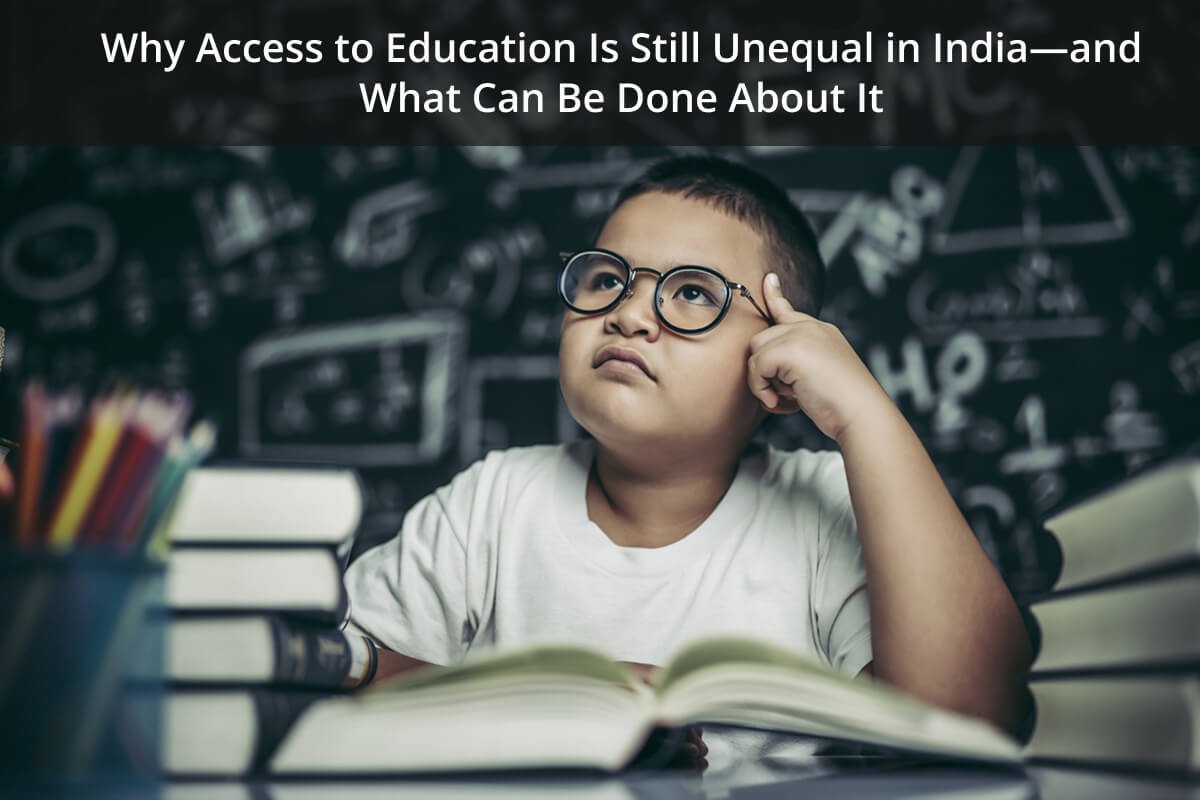
Education can, in theory, change a persons life, but in reality not every child gets the same type of learning opportunities. Educational inequality shows up when learners meet unequal access to good quality schooling because of stuff like income, where they live, disability, gender , or even wider social circumstances
What Is Educational Inequality?
Some children might attend schools with solid facilities, they may have teachers with a lot of experience, and they can use modern learning tools. But others run into constraints, or obstacles that quietly block their progress and disrupt the whole learning process.
Access vs Quality: Understanding the Difference
Access to education is basically when kids can enroll and also keep going in school, not just start. Quality education is way more than attendance. It’s about instructors who truly know how to teach, learning spaces that are safe and organized, materials that match the curriculum, and in some cases, tools and technology that actually help. There’s also the whole learning pathway side, like how students move through lessons so they can build knowledge and practical capabilities for long term success.
Why Equal Opportunity Matters
Every child deserves a fair chance to learn, no matter where they come from, or what sort of situation they’re in. When students get plugged into quality education, they tend to be more able to reach their potential, join in with society, and support a brighter future. And honestly it’s not only beneficial for them it also connects outwards, to the communities around them.
The Role of Education in Social Mobility
Education is one of the most solid ways to interrupt that poverty spiral, and kind of open doors for upward social mobility. It gives people the knowledge , the practical capacities and their own self belief they need to aim for higher learning, get decent work, and lift their overall quality of life, bit by bit.
Progress Made and Challenges That Remain
Still, problems like regional differences, economic gaps, fewer educational resources, and uneven access to strong teaching keep weighing on many students. Closing those gaps takes long-term work from governments, schools and colleges, local communities, non-profit organizations , and also the private sector.
Educational inequality isn’t just about whether children actually attend school , it’s also about whether they can access good learning chances that help them grow to their fullest ability.
Why Education Access Matters for Individuals and Society
When education is actually reachable and good enough, it often becomes one of the biggest pushes for personal growth and overall national progress. It gives people knowledge, practical abilities, and also a kind of inner certainty that helps them move ahead.
Education as a Pathway to Opportunity
Education can open up better job prospects, stronger earning power, and a really noticeably better everyday life. It lets people choose more wisely, pursue their ambitions, and join in community life too. Also when learning opportunities are shared in a more equitable way, education helps people realize what they’re capable of, even when their starting point is different.
How Education Supports Economic Development
A population with education tends to support economic growth. this happens because productivity rises, innovation becomes more normal, and a capable workforce is formed. Once individuals collect new know-how and skill, companies can compete more effectively, whole industries move forward, and many communities feel steadier in economic terms and more prosperous overall.
Breaking Cycles of Poverty Through Learning
Solid education, in a lot of cases, is one of the most steady ways to lessen poverty. It gives individuals the competencies they need to land work that actually matters, lift their income, and form chances for their children or younger relatives. When schooling access expands, societies can reduce economic divides, and help lasting social mobility happen across the years.
Building Skilled and Empowered Communities
Education can open up better job opportunities, stronger earning power,and even a more noticeable everyday life. It helps people decide with more care, keep moving toward their ambitions, and take part in community life. And when learning opportunities are shared more evenly, education lets individuals grow into their potential even if their starting point isn’t the same.
The Relationship Between Education and Social Progress
Solid education, in many cases , is one of the most dependable ways to shrink poverty. It gives people the aptitudes to land worthwhile work, lift their earnings, and open doors for their children or younger family. When societies expand access to schooling, they can lessen economic gaps ,and back durable social movement through time.
| Educational Access | Long-Term Benefit |
|---|---|
| Higher enrollment | Better career opportunities |
| Continued education | Increased earning potential |
| Skill development | Economic growth |
| Equal opportunity | Social mobility |
The Major Barriers Preventing Equal Access to Education
Even if access to education in India has improved a lot, still plenty of students hit walls that stop them from learning properly and reaching their goals. Most of these issues seem to happen together, so it becomes hard for children and young adults to get a good education, and also to fully grow into what they can become.
Financial Constraints
For many families the cost of education is a real obstacle. Tuition fees, books, uniforms, transportation, technology, and other learning related expenses can stack up quickly ,especially for households with low incomes. It can feel like a constant pressure, not just a one time thing.
Geographic Limitations
Students who live in rural , remote, or areas that are underserved often don’t get the same opportunities. They might have fewer quality schools, fewer qualified teachers, and fewer options for higher education institutions. On top of that, long travel distances and weak or inconsistent transportation can shrink their educational chances even more
Lack of Educational Resources
A lot of schools seem to run short on the basic stuff , like classroom space, libraries, labs, learning materials and also trained educators. When there isn’t enough of those resources, the way teaching goes tends to get weaker, and students might have less chance to grow essential understanding and practical skills over time. This sort of scarcity can kinda quietly hold people back, even if nobody notices right away.
Digital Access Challenges
Since education is now increasingly built around digital platforms, uneven access is becoming a big concern. Not having devices, reliable internet, or digital learning tools can create a serious disadvantage. Learners without those tools may struggle to join in online classes, and they might fall behind in technology supported learning.
Social and Cultural Barriers
In day to day life, social norms, gender inequality, discrimination, disability , and other cultural factors kind of end up cutting down educational openings for certain students. And it is rarely just one issue, it can be a whole mix of things, so progress feels slower, more stubbornly than people usually expect. Making learning spaces that feel actually welcoming and inclusive is essential, because every learner should really get the same opportunity to grow and thrive.
Awareness and Information Gaps
Many students and families just don’t know what options are available, like scholarships, financial aid schemes, career guidance support, or other learning possibilities. When the correct info is hard to find or it shows up in fragments , it can quietly block deserving students from continuing, even if they genuinely want to.
Family Responsibilities and Economic Pressures
Some students have to balance classes with home responsibilities, caregiving duties, or even income creating work, just to support their families. These demands can influence attendance and academic outcomes, and in some situations they push students to step away from school before they finish, even when that isn’t the plan they would have chosen.
What Are the Main Barriers to Education in India?
The main obstacles to education in India typically include
- financial constraints, and education costs that keep climbing
- geographic hurdles in villages and far off regions
- shortages in schools, plus limited teaching materials and learning resources
- reduced access to digital devices, and dependable internet connectivity
- social, cultural, and gender related barriers
- lack of understanding about educational pathways and financial assistanc
- family duties and economic pressures that make regular school attendance difficult
How Financial Challenges Affect Educational Opportunities
Financial hurdles are still among the most serious obstacles when it comes to getting into a good education. Even if many students have the drive and the ability to do well in school, the growing cost of education and all the tied expenses can shrink their chances. And it does not just weigh on students, it also hits families directly, sometimes shaping which learning path, and later which career, they choose.
Rising Cost of Education
In the last few years, education costs have kept climbing. This usually happens because tuition fees go up, campuses improve their infrastructure, technology gets more involved, and day to day living costs rise too. When costs keep growing like that, a lot of families end up struggling to pay for higher education, unless they receive some kind of extra backing.
Tuition Fees and Academic Expenses
Tuition fees are often the biggest chunk of the overall education expense, but students still have to plan for exam fees, lab charges, certification costs, project expenses, and a range of other academic requirements. When all of that is added, it becomes a serious money strain, especially for households with tight budgets or limited income.
Hidden Costs Beyond Tuition
Many education-related costs sit outside the obvious classroom fees. They are frequently overlooked during financial planning, as if they are small or optional, when in reality they can quietly pile up.
Books and Study Materials
Textbooks, reference books, stationery, software, printing, project materials, and other learning resources all pile onto the overall cost of education, honestly it adds up fast. Professional courses may also call for extra specialized materials, plus certifications that aren’t exactly cheap.
Accommodation and Transportation
If students end up studying away from home, they usually need to plan for hostel fees , rent, utilities, food, and daily transportation. These repeat expenses can become a big share of the total cost of higher education, not just a small side item.
Why Some Students Delay or Abandon Higher Education
Money trouble can push students to delay their admission, pick courses mostly because they are affordable rather than aligning with career goals, or just stop their education altogether. In certain situations, even talented students can miss solid opportunities simply because proper financial backing isn’t available.
The Financial Burden on Families
Families often end up making big, real sacrifices just so a child can stay in school. Tuition fees have to be handled alongside regular household expenses, healthcare costs , housing, and other daily obligations, and that can create a steady kind of strain.
First-Generation Learners and Financial Challenges
On top of limited finances , they may also have fewer opportunities to receive mentoring or practical support, since they cannot lean on family experience. In some cases they are left without a clear roadmap, and then the pressure tends to grow, kind of quietly at first then all at once.
| Educational Expense | Potential Impact |
|---|---|
| Tuition fees | Reduced affordability |
| Living expenses | Increased financial pressure |
| Learning resources | Access limitations |
| Technology costs | Digital learning barriers |
The Urban-Rural Education Divide
Where a student lives can , in a way, nudge, or even quietly steer, the education they end up being able to reach. Even if India keeps pushing forward, widening access to schooling, there are still gaps. Not just in buildings, but also in infrastructure, learning resources, technology, and sometimes even in the support services around learners. So yes, closing this divide matters a great deal because every student should get an even chance to do well , and keep growing.
Differences in Educational Infrastructure
Urban schools and colleges usually come with sturdier classrooms, libraries, labs, sports spaces, and steadier access to digital learning tools. On the other hand, many rural institutions still face day to day problems related to maintenance , upkeep , and just not having the needed educational facilities in the first place. It can feel like one side has more air to operate, while the other side is always playing catch-up, sometimes without enough backup.
Availability of Schools and Colleges
In cities, students often run into a wider spread of schools , colleges, and specialized learning programs. In rural areas though, there may be fewer institutions overall.
Teacher Availability and Quality
Having qualified and experienced teachers is a key part of educational results. Rural educators are often deeply committed, yes, but some rural schools struggle with shortages of subject specialists. Also, it can be hard to fill teaching vacancies, so the classroom learning experience may not be as steady or complete. In the end, students notice the difference.
Technology and Connectivity Gaps
Technology now is part of education, yet access is still kind of uneven. In cities, students often get steady internet, digital devices, and learning platforms online, but in rural areas it can get patchy or low-quality. Some students end up with limited connectivity, fewer digital resources , or just not enough technological infrastructure overall
Access to Career Guidance and Counseling
Students in cities are often more likely to reach career guidance services, school based workshops, and even some kind of mentorship. At the same time, in many rural communities, that sort of support is not always nearby and sometimes it appears only rarely, or it comes in a more informal way.
Why Location Continues to Influence Educational Outcomes
Learners in underserved regions can face extra obstacles with infrastructure, commuting or transport, technology access and general educational support. Narrowing the urban-rural education divide needs ongoing funding for strong education systems, better digital connectivity, teacher development, and fair access to learning opportunities so that every student , regardless of where they live, can reach their full potential
| Urban Areas | Rural Areas |
|---|---|
| Greater institutional access | Limited institutional access |
| Better connectivity | Infrastructure challenges |
| More educational choices | Fewer opportunities |
| Wider support networks | Limited guidance resources |
The Long-Term Impact of Educational Inequality
Educational access is influenced not only by schools and built spaces, but also by wider social and structural factors. In real life family circumstances, economic conditions, community backing , and access to information all matter in how a student moves through school. When these elements are recognized, it becomes easier to spot doable strategies for building more equitable learning chances, for everyone.
Lost Potential for Students
Even though educational opportunities have grown for students of all genders, some learners still meet obstacles because of cultural expectations household responsibilities , worries about safety, or only having limited options for further studies.
Impact on Families and Communities
Learners coming from financially disadvantaged backgrounds may also run into extra friction , which can lower grades and narrow pathways to higher education. Programs such as financial aid, scholarships, and low cost educational options can help reduce these gaps over time.
Workforce Development Challenges
What families , communities, and society expect can steer students’ academic targets and career decisions. Warm encouragement along with chances to meet different kinds of work, helps students understand options in a more complete way. This makes it easier for them to choose based on their interests and strengths, not only on what they feel are fixed boundaries
Economic Consequences
A lot of students and families don’t realize scholarships, financial aid programs, entrance exams, vocational training, mentorship initiatives, and career guidance services even exist. Sometimes, they miss that info completely. When access to dependable information is improved, students can actually act on educational chances that might otherwise get ignored, or slipped past them in the first place.
Why Educational Equity Benefits Everyone
Community support matters a lot for widening educational possibilities. Schools, families, non-profit groups, mentors, volunteers, local businesses, and educational foundations can link up in a practical way to share scholarships, mentoring, career direction, learning tools, and plain encouragement. With solid community backing students are better able to push through obstacles, stay driven , and keep moving along their educational path with more trust and steadier confidence.
| Challenge | Long-Term Consequence |
|---|---|
| Limited access | Reduced opportunities |
| Educational discontinuation | Lower earning potential |
| Skill gaps | Workforce challenges |
| Unequal opportunities | Social inequality |
What Is Being Done to Bridge the Gap?
Bridging educational inequality really does need joint effort across government bodies, schools, neighborhoods, workplaces, and also non-profit organizations. Even if there are still obstacles, there’s a set of initiatives that are gradually widening access to better schooling and creating a more balanced learning environment for students all across India.
Government Initiatives
Governments , at both national and state levels have rolled out programs designed to upgrade school facilities, broaden education access, strengthen how teachers are trained, encourage digital learning, and provide monetary help for students who qualify. The overall intent is to raise enrollment, support stronger learning results and make schooling easier to reach for underserved communities, in practical terms.
Educational Support Programs
Many schools, colleges, and learning institutions run support programs that may include scholarships, remedial teaching sessions, peer mentoring, career direction, academic coaching, and hands-on skill building activities. In the end these approaches help students work through academic gaps ,and financial hurdles, while also getting them ready for future prospects.
Digital Learning Platforms
Digital learning has been growing through online platforms, virtual classrooms, educational apps, and digital collections of learning materials. With decent internet access ,and working devices these tools make it possible for students to reach strong educational content even if they’re not near a traditional classroom setup.
Community-Based Educational Efforts
In a lot of places, community groups chip in on a sort of everyday basis, like they arrange tutoring programs, learning hubs, library initiatives, information campaigns, and volunteer guided educational work. When folks show up like this, the teaching environment becomes sturdier, students usually stay more attentive, even when things are tense , or kind of not totally predictable and uncertain.
NGO and Foundation-Led Interventions
NGOs, and also charitable foundations, take on an important part here too, they often provide scholarships , educational support, school supplies , mentoring, teacher assistance and even career direction. Organizations like Sakal India Foundation support students who truly need help, helping them move past money barriers through scholarships and educational support, so they can keep studying and chase what they want for their future.
Public-Private Collaboration
Partnerships between the government, schools and colleges, businesses, and civil society groups can widen educational access through things like infrastructure upgrades, technology backing, skill development programs, teacher training, and Corporate Social Responsibility , or CSR work. In practice these collaborations blend resources and experience, and that makes it easier to build more steady and long term educational solutions.
The Growing Importance of Educational Inclusion
Educational inclusion makes sure each student , no matter their socioeconomic condition, where they live, their gender, or their ability level, still gets access to quality learning chances. Inclusive education doesn’t just help individuals alone, it also supports communities, encourages economic growth and helps society feel more fair , for everyone.
Featured Snippet Opportunity
How Can Educational Inequality Be Reduced?
- Widening access to good schools and learning resources, kinda like making sure more people can actually get in.
- Offering scholarships plus financial support for students who truly need it.
- Building up digital infrastructure and boosting internet connectivity so things don’t stall.
- Upgrading teacher preparation, and in turn educational quality, with more structured coaching.
- Backing community learning drives and mentorship programs, helping learners stay on track.
- Encouraging teamwork between governments, NGOs, companies and educational institutions too.
- Pushing inclusive education so every learner gets the same chances and real access.
How Scholarships and Financial Assistance Change Lives
Financial barriers should never block capable students from going after their education. Scholarships and educational assistance kinda bridge that gap by making learning more reachable, lowering financial stress, and giving students the ability to really focus on their academic progress, and future career goals. And yeah, beyond helping one person, these programs end up strengthening families, communities, and society overall, in a quiet but steady way
Why Financial Support Matters
A lot of students have the talent, the drive, and the determination to succeed, but they often don’t have the money resources needed to keep going. With support for tuition fees, study materials, lodging, or other school expenses, students can keep enrolled, and continue chasing higher education without being worn down by nonstop financial pressure.
Scholarships as Opportunity Enablers
Scholarships do more than cover school costs. They open doors, basically. When scholarships lower monetary obstacles, students are able to choose courses based on what they actually want to study, and where they see themselves in terms of career path, not only on what they can manage right now. Also, scholarships usually highlight academic achievement, stubborn persistence and real capability, so students feel encouraged to reach further, and keep improving.
Educational Assistance for Deserving Students
Programs that provide educational assistance can offer real, human support to students who are facing financial challenges. With scholarships, grants and other ways of support, organizations such as Sakal India Foundation can help students who genuinely deserve a chance, and move ahead in their studies. In the end it becomes possible for them to build a more hopeful future, while also giving back in a constructive manner to society, which matters.
Supporting First-Generation Learners
First-generation learners often hit some rather specific hurdles, like limited financial resources and less access to educational guidance or practical advice. Scholarships and mentoring programs can help these students move toward higher education with more steadiness, even when the road isn’t obvious, so they can open up opportunities that previous generations in their family maybe didn’t really have.
Reducing Dropout Risks
When money gets tight, students frequently postpone their education , or they stop altogether. Getting timely financial support reduces the risk of dropping out, because it helps them cover the key educational expenses, so they can stay focused on learning ,and keep going to successfully finish their studies.
Creating Long-Term Social Impact Through Education
Putting resources into education tends to create value that goes well beyond the individual student. Educated people are often better positioned to find meaningful employment, assist with economic growth, support their families, and take part in their communities in a more active way. That’s why financial aid programs matter so much for long-term social progress , and for educational equity.
The Ripple Effect of Supporting One Student
Backing just one student’s education can trigger a positive ripple effect that spreads into families and communities. A graduate might encourage younger siblings to stay enrolled, strengthen the family’s financial stability, guide other students later on, and contribute to local progress. So, in the end, every scholarship or educational assistance effort has the chance to produce a durable, multi-generational impact, which is kind of the whole point.
Scholarship Impact Table
| Support Provided | Potential Outcome |
|---|---|
| Scholarship | Continued education |
| Financial aid | Reduced financial stress |
| Educational assistance | Increased completion rates |
| Mentorship support | Better career outcomes |
What Individuals, Organizations, and Communities Can Do
Making equal access to education is kinda a joint responsibility. While governments and schools have a major part , individuals, businesses, non profit organizations, and local communities can still create a noticeable ripple effect. When many sides chip in, barriers get reduced, chances increase, and more students are able to move toward solid learning outcomes.
Supporting Student Scholarships
Scholarships are often one of the most practical routes for helping capable students stay in school. People, companies, charitable trusts, and foundations can step in by funding scholarships or backing educational support initiatives that lower the money related obstacles.
Encouraging Educational Awareness
A bunch of students, and families don’t really know about scholarships, financial aid, career guidance, or even what learning options are nearby. When clear, accurate information gets spread around through schools, local groups, and awareness activities students can end up making better educated decisions, without so much guesswork.
Volunteering and Mentorship
Volunteers, and mentors can provide academic help, offer career direction, support interview practice, and give real personal encouragement. Mentorship also helps students build self belief, sharpen their abilities, and map out educational plus professional routes with a bit more clarity , instead of just wandering around in uncertainty.
Supporting Community Learning Initiatives
Communities can, in a pretty real way, strengthen learning by putting together tutoring programs, reading circles, digital skills workshops, career direction sessions, and after school activities too. When folks handle this, it usually creates a sort of safe support loop, so students keep moving forward and learning even after they step out of the classroom, not only while they’re inside.
Corporate Contributions Through CSR
Businesses can also step in via Corporate Social Responsibility , CSR , actions like funding scholarships, upgrading school infrastructure, giving digital learning resources, supporting teacher prep, and channeling money into professional growth programs. These collaborations may quietly widen educational access for local communities that are usually left with fewer exits, or limited options in general.
Creating Opportunities Beyond Donations
Money is helpful, yes, but assistance also shows up in other forms. Organizations and individuals can provide internships, mentor like career direction, skill building workshops, education resources, technology access, and even networking opportunities. Together these help students prepare for long term success, instead of only short term relief.
Why Collective Action Matters
Even one competent team cant completely unravel educational inequality by itself. Long term, genuine change usually shows up when governments, schools, and universities, together with businesses, non profit groups, families, and local communities all kind of move alongside each other, toward one shared purpose, so each student truly gets access to solid learning. When folks act as a group, more dependable support frameworks slowly appear, and at the same time, it gives society that nudge toward a fairer direction too.
Community Action Checklist
- ✅ Back educational charities and non-profit groups
- ✅ Put up scholarships or offer educational help for students who truly need it
- ✅ Guide learners, share career direction and kind of keep them on track
- ✅ Spread the word about learning options, financial aid, and all the small details
- ✅ Jump into community training, and volunteer work in the same breath
- ✅ Push for fair access to solid education for every kind of learner, no exceptions
AI Overview Opportunity
5 Ways to Improve Access to Education in India
- Expand scholarships and financial assistance to reduce economic barriers.
- Improve educational infrastructure by strengthening schools, libraries, and learning resources.
- Increase digital access through reliable internet connectivity, devices, and online learning platforms.
- Support disadvantaged students with mentoring, career guidance, and inclusive educational programs.
- Encourage community participation by involving families, businesses, NGOs, volunteers, and local organizations in educational development.
Conclusion
Education Should Be an Opportunity, Not a Privilege
Education can change lives, give steadier footing to communities , and push a country forward in meaningful ways. Every student, no matter their financial standing, their location, or their day to day social realities, should be able to access a solid education and grow toward their full capacity. When schooling is reachable for everyone, it turns into a strong base for a fairer and more thriving society.
Equal Access Creates Stronger Communities
Giving everyone a comparable shot at education helps more than just the learners themselves. It also supports families, communities, and the nation as a whole. People who are educated tend to fuel economic progress, spark innovation , improve social conditions, and take part in civic life. By putting money into inclusive education today, you build stronger, more adaptable communities for tomorrow’s children.
Every Student Deserves the Chance to Succeed
Capability and drive are present everywhere, but opportunity doesn’t always turn up on time, or at all. When the financial stressors, social limitations, and geographic hurdles ease up, and when access gets better through scholarships, study assistance, guidance programs, plus high quality learning materials, more students can go after their aims with confidence, and actually land real, lasting success.
Closing Takeaway
India’s momentum depends not only on creating more schools and programs, but also on making sure every child has a fair, practical opening to access and benefit from quality education. Governments, schools , colleges, employers, non profit groups, and local communities all need to contribute in order to shape a more inclusive education system.
FAQ Section
1. What is educational inequality in India?
Educational inequality is basically the uneven access to solid education and learning chances, because of things like income, where someone lives, gender, disability , or their social background. It can kind of quietly shrink how students grow academically, and it also blocks their full potential , in a pretty real way. Not always loud, you know, but it still affects the outcomes.
2. What are the biggest barriers to education for students in India?
The biggest roadblocks often include financial constraints, not enough access to quality schools, weak infrastructure, digital divides, geographic challenges, and also just a lack of awareness about education options, including scholarships, and such.
3. How do financial challenges affect access to education?
When tuition fees rise and all those additional costs pile up, schooling can start feeling out of reach for many families. Sometimes students have to delay their studies, or stop entirely. In other cases, they choose paths that are not ideal, still not quite matching what they were hoping to achieve academically.
4. How do scholarships help reduce educational inequality?
Scholarships help by removing monetary barriers, since they cover education related costs and let capable students keep going. They set up a more fair path, so opportunities don’t depend only on whether a student comes from a wealthier household.
5. What can individuals do to support equal educational opportunities?
Individuals can support scholarships, mentor students, volunteer with education groups, and help people find out, more clearly, about what educational resources actually exist. When many people chip in together, better quality education becomes more reachable for everyone even if the starting line was different, already.



Post a Comment