
- Sakal India Foundation
- May 5, 2026
Table of Contents
Understanding the Education Gap in India
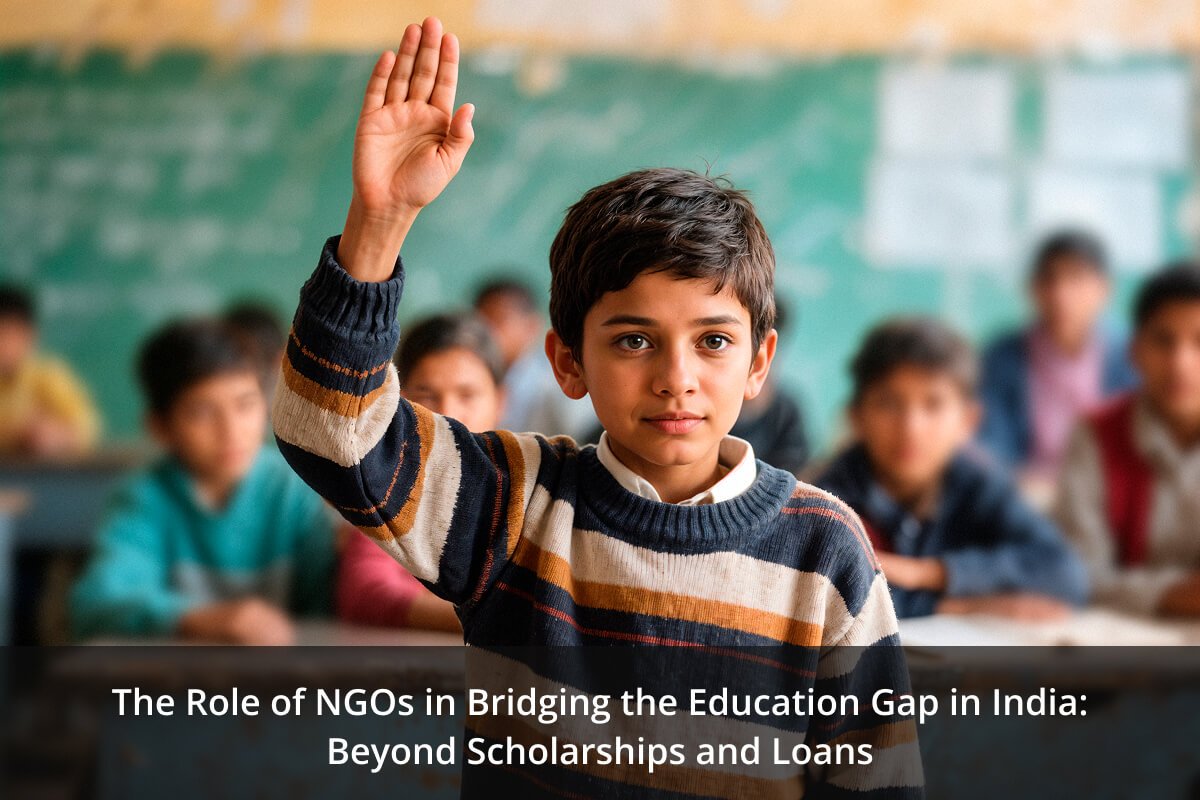
The education gap in India keeps messing with a lot of children and young adults, across different communities. Even if going to school has been getting better for many students, they still run into issues tied to income, where they live, and the overall educational quality they get. When folks really grasp these kinds of gaps it’s kind of easier to craft better solutions and give more just learning opportunities. It also makes clear why help should not stop at financial aid only.
What Is the Education Gap?
The education gap is basically about uneven learning prospects for students. Some children end up with stronger school support, resources and day to day guidance while others get less of that kind of help.
Rural vs Urban Disparities
Learners in rural areas often have fewer learning materials and they can struggle to reach quality schooling compared with students living in cities.
Socioeconomic Inequality
Family income matters a lot. It can shape whether a child gets support like learning technology, tutoring and extra study opportunities. When money is tight it can become a barrier that blocks education progress.
Access vs Quality Education
Sure getting admission is a big deal. But quality education is just as important. Things like good teachers, practical learning tools and consistent support can lead to better results and more stable progress.
Impact on Society
When education gaps exist, it can affect hiring, job growth and wider social advancement too. If education opportunities become more equal, communities can become stronger and the future looks brighter for everyone.
Why Financial Aid Alone Is Not Enough
Scholarships and loans can help students keep going through school, but money by itself really does not handle the whole situation. Quite a few students run into stuck points around direction, self-belief, learning assistance and even basic access to chances. So, yes even if tuition is sorted out, they can still end up stalled, confused or overloaded.
Limitations of Scholarships and Loans
Scholarships and loans can reduce financial pressure, though they might not address personal academic struggles or career related problems. Sometimes the “plan” looks fine on paper but the student still lacks the right support day to day.
Need for Holistic Support
Students often require emotional support, career guidance, and skill building along with financial help, if they want to succeed in a real way. It’s not only about being able to pay, it’s also about being able to persist.
Non-Financial Barriers
Barriers like low awareness, family responsibilities, poor learning resources and weak self-belief can badly affect an entire education path. And sometimes these problems stack up.
Importance of Guidance and Mentorship
When students receive solid guidance, they can make better education decisions and choose careers that fit reality more closely. Mentorship as well, can boost confidence and stabilize motivation, especially when things get rough or confusing.
Long-Term Impact Considerations
Long term support counts because students can build sturdier skills, open wider paths for the future and shape a better life outside the classroom too. In that way the impact keeps moving farther than any single grant or one particular loan and it can keep paying off over time.
What Role Do NGOs Play in Education?
NGOs play a key role in education, especially when students run into real problems getting the help they need. They make education feel a lot more accessible and also more inclusive, for those who struggle sometimes because of money, sometimes because of geography, sometimes because of other barriers. And it’s not only about direct funding either, they often bring guidance, awareness and extra learning chances that students wouldn’t otherwise get.
Bridging Access Gaps
NGOs support students by helping them reach education through learning resources, school enrollment and other educational opportunities.
Supporting Underprivileged Students
A lot of NGOs focus on learners from low income households , and from places that are often overlooked, to offer academic support , plus motivation and encouragement.
Creating Awareness
NGOs also help people understand why education matters , including scholarships, career paths, and skill building opportunities. They push the idea that learning can open doors.
Building Sustainable Programs
Quite a lot of organizations end up putting in place ongoing work that leans on learning, guiding others and community support so the results get better but also stick around longer.
Driving Social Change
When education support comes from NGOs, it can improve access, reduce inequality and help form stronger communities, bit by bit over time.
Key Areas Where NGOs Make an Impact
NGOs help education in lots of ways, not just the classroom thing. Their efforts support students so they can build knowledge, confidence and maybe even better opportunities later on. When NGOs focus on a few different kinds of support they tend to create a learning space that feels more solid and they help long term progress for both students and entire communities.
- Financial Support Programs NGOs often offer scholarships, fee support and study resources so students can keep going with their education without too much stress.
- Mentorship and Guidance Mentorship can help students choose, more clearly, what education path makes sense and where they want to go career wise. Guidance like this also boosts confidence and gives motivation it matters.
- Skill Development Many NGOs back skill building through workshops, training and practical learning experiences, so students are better ready for future jobs.
- Awareness Campaigns Awareness programs help families and students see the real value of education and understand what opportunities are actually available.
- Community Engagement NGOs collaborate with families, schools and the local community too, to create a supportive environment for education, growth and everyday learning.
Providing Access to Quality Education
Education access is not only about joining a school or college but also about getting quality learning opportunities and honestly staying on track with it. A lot of students still meet obstacles that are kind everyday yet serious, like limited resources, lack of support and problems with continuity in education. NGOs and different support programs reduce these barriers, by offering access guidance, plus educational support for students who really need it.
Supporting School and College Admissions
Some organizations help students understand the admission process and then they can reach better education opportunities, without getting stuck in confusion.
Improving Infrastructure and Resources
When classrooms, technology, libraries and even basic facilities are improved the whole learning environment becomes stronger. This matters more than people expect.
Providing Learning Materials
Books, study materials , digital tools and other learning resources help students keep going. It is easier to learn when the right things are available.
Reducing Dropout Rates
Educational support, mentoring style activities and awareness programs help students stay motivated and continue their studies even when circumstances get heavy.
Ensuring Continuity of Education
Long term support helps students keep learning through financial, social or personal pressure. When support stays consistent, students have a better chance to finish.
Mentorship and Guidance Programs
Mentorship and guidance, kind of help students step past academic difficulties and make more informed choices about what they will do next. Lots of students really need some support encouragement and direction, so they can stay on track with education and career goals. Without it, it’s easy to drift a bit.
- Academic Mentorship Academic mentorship kind of helps students form learning habits, understand subjects more clearly, and somehow keep themselves motivated while they’re studying , even when things feel heavy.
- Career Counseling Career counseling is there so students can choose courses, career directions, and future opportunities based on what genuinely sparks their interest , not just what sounds “safe” on paper.
- Emotional Support Emotional support assists students with stress, pressure and the personal difficulties that can show up during the whole education journey.
- Confidence Building Confidence building is more than just praise mentorship supports self-belief and helps students feel surer about their abilities and the targets they want to reach.
- Long-Term Guidance Long term guidance keeps going alongside students through different education stages, and it nudges them toward smarter life decisions as they move forward.
Awareness and Career Counseling Initiatives
A lot of students end up missing good opportunities, mostly because they don’t have enough proper information or the right kind of guidance. Programs for awareness and career counseling help students sort through education choices and then make more grounded decisions for what comes next. NGOs and other support organizations also step in and honestly they matter a lot. They guide students toward better chances and reduce that constant confusion while building real confidence about career planning.
Informing Students About Opportunities
Students start hearing about scholarships courses, training programs and education opportunities that actually fit their goals, even if they thought those doors were closed.
Guidance on Career Paths
With career guidance students better understand the different career directions ,and they can pick a path more naturally based on interests and strengths.
Helping with Application Processes
Giving students support during the whole process, especially with forms , documents and those admission steps, really helps it feel smoother. It can seem less overwhelming and honestly more manageable for most people most of the time.
Bridging Information Gaps
Many students simply can’t access the right information about education and careers. Awareness programs help close that gap so they’re not guessing in the dark.
Encouraging Aspirations
When students get guidance and support they’re more likely to aim higher and work steadily toward long term success.
Skill Development and Employability Support
When education feels more meaningful, it’s not just about the classroom, students also need practical abilities for whatever comes next in their careers. Skill development programs often make students feel more confident, expand their knowledge and strengthen their general job readiness. It’s like, learning isn’t only theory anymore and honestly that’s a big thing.
- Vocational Training Programs Vocational training supports students to learn hands on skills for particular sectors and for clear career routes. Instead of vague learning, it becomes more direct and industry connected.
- Soft Skills Development Soft skills like communication, collaboration and problem solving helps students show up stronger in both school and work. Sometimes it looks like those small daily habits, kind of unnoticeable at first, but over time they pile up really quick like almost faster than you think.
- Digital Literacy Training Digital literacy programs teach students how to use technology, online tools and other digital resources in an effective way. When students can navigate these tools, their options expand quickly.
- Internship Opportunities Internships kind give students a direct, real world taste and also help them figure out what the workplace expects. You get to observe how teams actually operate how schedules and deadlines kind unfold in day to day reality and what professionalism means in practice not just in a polished brochure or maybe a fast video clip.
- Career Readiness Career readiness programs help prep students for interviews, the normal workplace etiquette and also the next career pathways that could be waiting. They also support students in connecting their strongest traits with what employers are really after.
Supporting First-Generation Learners
First generation learners often run into extra challenges, mostly because they might be the very first person in their family to go after higher education. basically they usually need a bit more direction and continuing support, along with that steady reassurance, so they keep showing up and moving forward on their learning journey even when it feels heavy.
Addressing Unique Challenges
First generation learners may also face financial pressure, not getting enough guidance and having limited access to educational information. It can feel like they are guessing, even while they’re doing their best and that uncertainty can be really draining, you know.
Providing Mentorship
Mentors help learners understand education choices they also help students stay motivated and they make it easier to take in information and make informed decisions without second guessing too much.
Financial Assistance
Scholarships, fee support and study resources can really ease the financial pressure. This sort of support matters, since it makes it simpler for learners to put attention into studying rather then spending all day stressed out and you know worrying.
Emotional Support
Encouragement, emotional backing, and quick check in moments help students deal with that pressure. It also helps them feel more sure about their journey, even when things get tough and yeah sometimes that small nudge is the difference between stopping and going on.
Building Confidence
With consistent guidance and positive support, first generation learners are more likely to believe in their own abilities and aim for bigger goals, not just “get through” the next step.
Addressing Social and Gender Barriers
Social and gender barriers still, affect education access for a lot of students across India. And it’s not just one thing either, cultural views, money strain and daily social inequality can slowly quietly shrink learning opportunities, especially for girls and for people from marginalized communities. That’s kind where NGOs and other education programs step in they try to soften these problems by spreading awareness, promoting inclusion and making it possible that everyone gets the same kind of learning space, growth and direction.
- Promoting Girls’ Education There are lots of initiatives that nudge girls to keep going in school, by improving access, offering support and getting families more on board. Sometimes the help is practical, like transport or school materials, other times it’s more like messaging, just getting the point across that schooling matters.
- Overcoming Cultural Barriers Community support plus real awareness helps push back against beliefs that say certain groups shouldn’t study. When neighbors talk and local leaders get involved, attitudes can shift, slowly, even if it takes a while.
- Creating Inclusive Opportunities Inclusive programs matter because they let students from different backgrounds enroll and stay supported, at least in a real way. It’s not only about admission, it’s also tutoring, guidance and learning help when challenges show up, because challenges always show up, eventually.
- Supporting Marginalized Communities NGOs often work directly with underserved areas, improving access to education resources and providing guidance for families and students. This can reduce the gaps that tend to stick around, generation after generation like nothing changes.
- Awareness Campaigns Awareness campaigns help families understand why education is important and why equal opportunities should apply to all students, not only a few.
Community-Level Impact of NGO Initiatives
NGO initiatives can bring change that seems to go past just individual students, and it ends up touching whole neighborhoods too. When they increase access to education and also spread awareness, families and local communities tend to grow at the same time. With education support, mentoring and skill development, communities can see longer term social and economic improvement.
- Improving Literacy Rates Education programs help many more children and adults pick up basic reading , writing and learning skills.
- Creating Role Models When students do well academically, they often become quiet role models. Those examples can nudge others in the community to keep studying, and to aim a little higher than before.
- Economic Development Solid education and practical skills can improve job opportunities. In turn, this supports local economies in a stronger and more stable way, even if it happens gradually.
- Social Awareness Awareness efforts help communities understand why education equality matters. They also highlight education as a driver for long term growth, not just short benefits.
- Breaking Poverty Cycles When families gain access to education and better opportunities living conditions can improve. Over time this can also lower the risk of long term poverty, and make it less likely to repeat across generations.
Collaboration Between NGOs, Government, and Institutions
Getting better education access needs combined work from different groups. NGOs, governments and institutions for learning usually try to align not just separately to bring more opportunities resources and steady support for students. These partnerships help grow educational programs boost awareness and leave a longer term effect.
- Public-Private Partnerships Partnership that include NGOs, private organizations and public bodies can really help improve access and also tighten up student support in practical ways.
- Government Scheme Integration NGOs often help students find government education schemes, scholarships and welfare programs. Sometimes they explain the steps, other times they directly guide through the paperwork.
- Institutional Support Schools, colleges and universities also play a role by giving learning resources, mentorship style guidance and academic chances that students may not get otherwise.
- Scaling Impact With collaboration, education programs can reach more students and more communities, step by step, over time not all at once.
- Policy Advocacy NGOs and institutions can raise awareness around education problems and encourage policy improvements so learning opportunities get better for more learners.
Challenges Faced by NGOs in Education Support
NGOs really can make a difference, improving access to education and giving students a better chance, but they also hit obstacles while they try to help learners and even whole communities. Because resources are limited and educational needs keep growing, it gets difficult to build something that lasts, and that genuinely sticks over time.
- Funding Constraints When funding is tight it can limit scholarships, shrink training programs , and reduce the day to day support services students depend on.
- Reaching Remote Areas Providing education support in rural places and far away regions is often complicated. Distance becomes a real obstacle and the lack of materials and local capacity makes things slower.
- Ensuring Sustainability For long term success, NGOs need continuous assistance, plus careful planning and stable resources so programs can keep running without interruptions.
- Measuring Impact By tracking learning progress and program outcomes, NGOs get a clearer picture of whether their approach works. That feedback also helps them refine what they do next.
- Managing Resources Staff, finances and educational activities must be balanced carefully. When this isn’t handled well, operations can become messy and overall effectiveness drops, even if the intentions are strong.
How Individuals and Donors Can Support NGO Efforts
Backing NGOs can help more students get guidance and also open up better chances. Even when it feels small, individual contributions and donor support can still spark real change in students’ daily lives and within whole communities. There’s also mentorship, plus steady awareness work, that really strengthens education support systems. If someone stays involved over the long haul, the result tends to grow bigger and it can last.
- Financial Contributions Donations give NGOs the ability to cover scholarships, buy learning materials, fund training and run student programs.
- Sponsorship Programs Sponsorships can carry a student’s education forward and they also lower the money obstacles that often block learning.
- Volunteering and Mentorship Volunteers and mentors can be there for students by sharing skills, offering practical help and giving encouragement for personal growth. That guidance can matter more than people think.
- Raising Awareness When you share what education challenges look like and what the NGO is doing in response, more people begin to understand why support is needed and they may join in too.
- Supporting Long-Term Initiatives Long term help lets NGOs keep their programs running and it supports educational impact that continues to benefit communities.
FAQs About NGOs and Education in India
NGOs kind a help a lot with education access, and it can reduce learning barriers for lots of students. Their efforts usually go beyond just money though, like they also bring guidance, mentorship and some awareness activities. In a way they try to push students forward even when systems feel too slow or too expensive.
| Question | Answer |
|---|---|
| Q1. What role do NGOs play in education? | NGOs improve access to education through scholarships, mentorship, awareness programs, skill development and learning support. |
| Q2. How do NGOs help underprivileged students? | They offer financial aid, study materials, guidance, mentorship and opportunities so students can keep going with their education. |
| Q3. Are scholarships enough to solve education gaps? | Not really. Scholarships can lower financial pressure but students still need guidance mentorship, skill development, and emotional support too. |
| Q4. How can I support NGO education programs? | You can support by donating, sponsoring, volunteering, offering mentorship or even by spreading awareness about education initiatives. |
| Q5. What challenges do NGOs face? | NGOs often deal with funding limits, resource management issues, difficulty reaching remote places and problems with keeping long term programs running. |
Key Takeaways
- Bridging the education gap in India needs more than just financial help . NGOs, they often play a real part by giving students guidance, mentorship, skill development and general awareness. Real long term change usually shows up when communities, institutions, governments and everyday individuals work in the same direction to widen education access and opportunities.
- NGOs go beyond financial aid by doing mentorship support, practical guidance and awareness efforts. That holistic support is what helps create longer term educational progress and career impact, not only short term relief.
- Collaboration between NGOs, institutions and governments can strengthen the whole education support system overall.
- Education access gets better when communities, donors and organizations coordinate together even if the steps are small.
Strengthen Education Access Through Collective Action
Improving education access needs backing from families, communities NGOs institutions and donors. When people team up, students get better chances, plus steady guidance and extra resources to keep learning. Even little actions can spark real change, little by little, over time. With collective action we can shrink education gaps and open a path to a tomorrow where every student has an equal opportunity to study and grow.




Post a Comment