
- Sakal India Foundation
- April 20, 2026
Table of Contents
Who Are First-Generation College Students?
The family background and educational awareness and support system access of students determine their ability to enroll in higher education institutions. The college experience for most students serves as a continuation of their previous educational path while it creates an entirely new and uncertain experience for other students.
The first-generation college student group faces a distinct educational path which includes both benefits and obstacles.
Definition of First-Generation Students
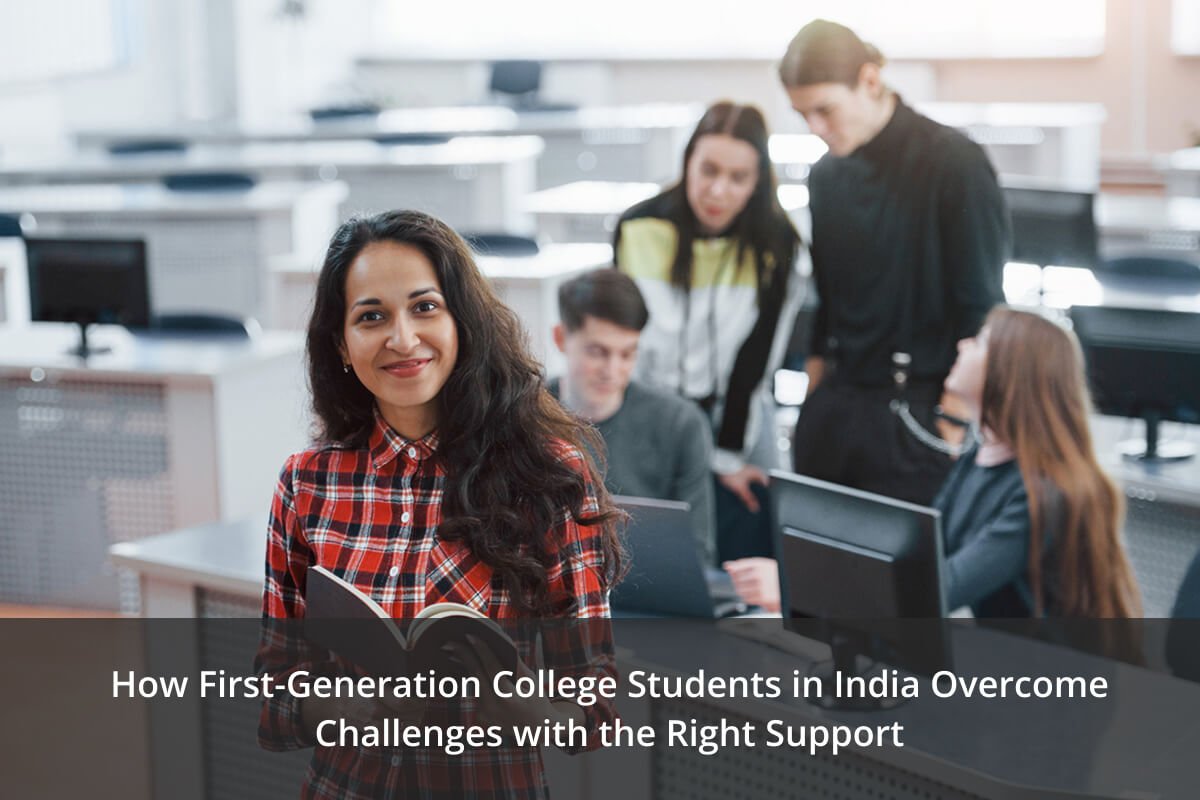
First-generation college students are individuals whose parents or guardians have not completed a college or university degree. First-generation college students from their family members specially experience their first time at college because they lack the educational support which other students receive through their home environment.
Context in India
First-generation college students in India emerge from rural regions and underserved areas and home environments which have historically failed to recognize the value of education because of economic and social factors. The University Grants Commission and Ministry of Education programs create pathways for better access to education but gaps in public knowledge about educational resources and access to those resources still exist.
Socioeconomic Background
The first-generation students from low- to middle-income households face financial difficulties which prevent them from achieving economic stability. The lack of essential resources which include quality schools and career counseling and digital equipment will harm their ability to prepare for higher education. Students need to balance their academic responsibilities with their work obligations and their home responsibilities.
Importance of Higher Education Access
First-generation students achieve life-changing results through their access to higher education. The program establishes better job pathways which enable students to escape existing poverty conditions while achieving social equality. Education provides them with knowledge and self-assurance which enables them to make meaningful contributions to their communities.
Why Their Journey Matters
Through their academic path first-generation college students show their ability to overcome difficulties which demonstrates their determination to succeed and their desire to create a positive impact. Their success supports social and economic progress which extends beyond individual achievements. The students achieve success which enables them to support their complete family networks and their entire community.
Why Their Journey Is Different
Most students depend on their families for educational support because their families provide them with academic guidance and their families help them understand their educational choices. However first-generation college students experience their educational path as an independent journey because they lack this essential support system.
Lack of Family Academic Background
The academic background of your family members does not exist which impacts your ability to navigate educational decisions and college experiences. The students must learn to navigate academic systems without assistance from others.
Limited Exposure to Education Systems
Students develop their academic capabilities through requirements that restrict their access to educational pathways and admission procedures and their methods of evaluating higher education institutions. The transition process to college becomes more difficult for them because they experience different challenges than their fellow students.
Absence of Guidance
Students who lack home mentors seek guidance from their educators and fellow students and other sources. The process of academic decision making becomes slow and confusing for students who have not established their interests.
Higher Pressure to Succeed
Students experience intensified educational expectations because their academic performance is considered vital for their family’s financial and social progress. The resulting situation produces both emotional and mental health pressure.
Navigating New Environments
The introduction of college life presents students with new academic and social experiences which create initial overwhelming challenges. The process of adapting to new places needs both additional effort and methods to build self-assurance.
Key Challenges Faced by First-Generation Students
Financial Constraints
Many first-generation students come from families where money is already a constant concern. The expenses of tuition and books plus essential living expenses create a financial burden which students find difficult to handle. Students need to work part-time because they want to cut down their spending but this decision reduces their ability to study.
Academic Preparation Gaps
Students who enter college do not possess identical academic readiness. Students who attend schools with different educational standards and availability of learning materials will experience academic disadvantages when they start their college studies. This creates difficulties during the initial two semesters when students must acquire missing knowledge.
Social Adjustment Issues
College life creates a completely different atmosphere that some students need to adjust to. Students find it hard to make new friends because they have to spend time with classmates who come from different cultural backgrounds. Students require time to create their personal safe spaces which will help them build essential relationships.
Psychological Pressure
Students perceive an obligation to achieve success because their educational progress directly benefits their entire family. The pressure results in students experiencing stress and self-doubt which negatively impacts their academic work.
Lack of Support Networks
First-generation college students have no home support because their family members lack knowledge about the college system. Students require guidance because minor academic and personal problems become substantial obstacles which they must address through campus help sources and mentorship relationships
Financial Barriers in Higher Education
Higher education provides important opportunities to students but tuition costs create the most significant barrier for students who want to pursue their studies. Financial limitations often decide whether a student can continue their education or not.
Tuition and Living Costs
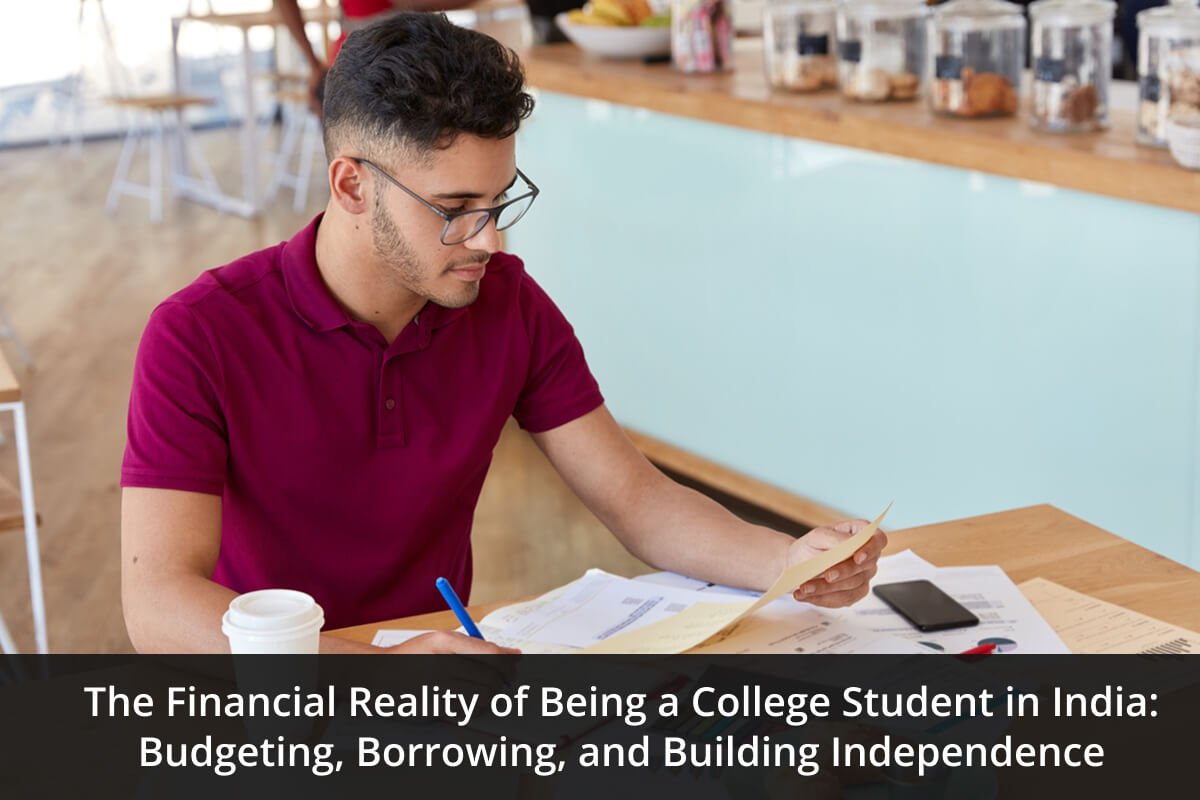
The cost of a college education includes expenses that extend beyond tuition fees. Students face high expenses because they need to pay for accommodation, travel, books and daily living expenses which quickly accumulate to create financial hardship for many families.
Limited Access to Loans
Education loans exist as a funding option for students yet some students remain unaware of this funding source while others fail to meet its eligibility criteria. First-generation students face obstacles because they lack guidance and have to deal with complicated processes which prevent them from obtaining financial assistance.
Family Financial Responsibilities
Students face expectations to provide financial support for their families while they pursue their academic studies. The requirement to handle both tasks simultaneously creates extra challenges that affect their educational progress.
Risk of Dropping Out
The primary reason why students leave school is due to financial difficulties. Students who find their expenses become too high need to either stop everything or take a break from their educational activities.
Need for Financial Aid
Students use scholarships grants and support programs as essential resources to finance their educational pursuits. The financial aid system provides students with two advantages because it decreases their financial obligations and enables them to achieve their academic objectives.
Academic and Skill Gaps
Academic readiness plays a major role in how smoothly students transition into higher education. The educational background of students entering college in America comes from their different levels of preparation and their different experiences with essential learning resources.
Lack of Foundational Knowledge
Some students enter college without a strong grasp of basic subjects because their educational environment did not provide them with adequate resources and teaching staff. The process of learning advanced college materials becomes more challenging because students face extra difficulties which they need to overcome.
Language Barriers
Rural and regional students face significant language difficulties during their education. Students who cannot comprehend English or academic language will experience negative effects on their classroom performance and self-assurance.
Limited Exposure to Technology
College students come from diverse backgrounds because some students have experienced regular access to computers and internet and digital learning tools before they reached college level. The gap creates difficulties which make it challenging for them to adapt to current technology-based educational systems and academic tasks.
Difficulty in Adapting to Curriculum
College studies require students to demonstrate independent thought and conduct research while executing self-directed educational activities which differ significantly from conventional school learning methods. Students who are new to this style of learning will require time to discover their most effective study methods.
Need for Skill Development
Students require support in developing communication abilities and digital expertise and problem-solving skills to achieve academic success and establish successful careers. Students can successfully develop their abilities through structured skill development programs which help them overcome their existing skills gaps while building self-confidence.
Social and Emotional Challenges
Moving into college life involves more than academic study since it requires students to adapt to new social and emotional environments. The transition to college presents challenges for most students because they encounter unfamiliar experiences that make them feel overwhelmed.
Feeling of Isolation
Students from different social and educational backgrounds experience difficulties to connect with their classmates. The first months of college experience create a situation where students who do not belong completely to a group experience loneliness.
Lack of Confidence
Students who lack experience in competitive environments with advanced resources will doubt their skills. Students with this confidence deficiency will experience challenges when they try to engage in classroom and campus activities.
Peer Comparison
Students who continuously compare themselves to their classmates in academic performance and personal conduct and their abilities will experience declines in their self-worth. Students might perceive themselves as falling behind their studies while they actually move forward at their own speed.
Stress and Anxiety
Students face high levels of stress because they must deal with academic requirements together with their personal and financial duties. This condition will develop into long-term mental health issues which will damage academic performance unless treatment starts immediately.
Balancing Family Expectations
Students must fulfill their family’s expectations which creates a burden of responsibility. The expectation to meet family demands creates a motivating effect which students find difficult to handle together with their college responsibilities.
Lack of Awareness and Guidance
students who start their university studies show limited knowledge about the various career options and educational paths that exist for them. The gap which exists between two groups of people results from their inability to get essential information at critical points in time.
First-generation students face extra difficulties in making essential decisions about their courses and scholarship applications and career planning because they do not have access to organized support systems.
Limited Knowledge of Opportunities
The Restricted Knowledge of Opportunities The educational programs which students should know about remain unknown to most students because they lack information about scholarships and internships and academic programs. The failure to recognize these opportunities results in lost chances which would have produced major benefits.
Lack of Career Counseling
Students require career guidance because they need to understand all available academic and professional options which exist for them. Students experience difficulty when they try to make their first career path decision.
Difficulty Navigating Admission Processes
College admission procedures together with examination requirements and scholarship processes create complex systems for students to navigate. Students who lack previous experience and guidance will struggle to complete their applications when they need to submit them.
Information Gaps
Academic information that researchers need to access remains difficult to obtain because it lacks proper presentation. Students who depend on informal sources tend to face confusion because those sources do not provide complete information.
Need for Mentorship
Students use mentorship to gain knowledge which helps them make better decisions. A mentor assists students by providing them with complete guidance which helps students handle their educational and professional difficulties with increased self-assurance.
Role of Financial Support in Enabling Access
Students face education obstacles because of their financial needs which represent the most critical hurdle to their academic progress. The academic journey becomes challenging for students who possess capability but lack sufficient backing.
Scholarships and Grants
Students receive financial aid through scholarships and grants which assist them with paying for tuition charges and purchasing books and other educational materials. The financial aid programs help families reduce their expenses while they pursue higher education degrees.
Education Loans
Through its education loan program the organization provides funds to students who need financial assistance for their academic studies while giving them the opportunity to repay their loans after completing their educational program. The program enables students to continue their studies because they receive financial support which eliminates the need to worry about money.
Fee Assistance Programs
Educational institutions and organizations provide fee waiver programs and partial assistance programs to support students who come from low-income families. The programs enable students to access educational opportunities because their financial situation will not prevent them from studying.
Reducing Dropout Risk
Students who require financial aid to continue their studies, because financial aid exists to cover their educational expenses. The funding supports their academic work until they complete their degree programs.
Encouraging Continuity
Students who receive continuous financial assistance from their studies can maintain their educational progress. It creates an environment of trust and steady ground which helps them decide on their academic journey and professional development.
Importance of Mentorship and Guidance
Mentorship plays a crucial role in shaping a student’s educational journey, especially for those who do not have prior exposure to higher education within their families. Important milestones in life receive complete support through vital educational resources which provide students with essential guidance.
Academic Mentorship
Mentors guide students in developing better study techniques and effective methods for handling their academic responsibilities. The students who receive regular mentoring support which helps them maintain their study schedule while they work towards better academic results.
Career Guidance
Career mentors show students various career paths while they teach students about the requirements of each profession. This process enables students to choose career paths that connect with their personal interests and their future professional objectives.
Emotional Support
Mentors provide students with emotional support which extends beyond their academic needs when students face difficult or stressful situations. The emotional support helps students maintain their drive while keeping their mental health in balance.
Building Confidence
The combination of regular guidance together with positive feedback helps students build trust in their own abilities. As they gain confidence, students start participating more in both their studies and activities at school.
Long-Term Impact
The program helps students make better decisions because it builds their confidence to achieve their life goals. The guidance provided during this period assists students in developing personal skills which will benefit their future career paths.
How NGOs Support First-Generation Students
First-generation students require educational support because they face challenges that extend beyond their academic environment. Non-governmental organizations (NGOs) function as essential entities which help bridge vital educational gaps.
The structured programs which NGOs provide together with their enduring assistance help students maintain their educational path while developing self-assurance and gaining access to opportunities which would otherwise remain unavailable to them.
Financial Assistance Programs
NGOs provide scholarships and fee support together with learning materials which help students decrease their financial obligations. The funding enables students to pursue their studies without experiencing permanent financial pressures.
Mentorship Initiatives
NGOs establish mentorship programs which link students to expert mentors who provide academic guidance and career advice together with personal support. This helps students to choose better options for their future.
Awareness Campaigns
NGOs run outreach programs to educate students and their families about educational opportunities together with scholarship options and career possibilities. The campaigns work to diminish information deficiencies which exist in underserved populations.
Skill Development Programs
NGOs provide training programs which teach communication skills together with digital literacy and employment-related competencies. The programs assist students in developing self-assurance which enables them to start their academic and professional journeys.
Continuous Monitoring
Students maintain their goal progress because ongoing support together with regular check-ins keeps them on track. The process of continuous monitoring enables organizations to recognize problems at an early stage while delivering support at appropriate moments.
Real-Life Transformation: From Struggle to Success
First-generation students start their academic path with restricted access to educational resources and guidance and practical experience. The students face multiple obstacles yet their commitment to succeed enables them to achieve exceptional personal development and academic progress.
Most students can achieve success through their struggles when they receive proper support and access to essential opportunities.
Journey of a First-Generation Student
The journey begins at first with uncertainty because people lack knowledge about higher education institutions. Students develop their ability to handle new systems through their experience which helps them build their confidence in handling different obstacles.
Overcoming Challenges
Students must deal with three types of obstacles which include financial problems and academic deficiencies and emotional stress. The students achieve their goals through persistence combined with support systems and their ability to drive themselves forward.
Achieving Academic Success
Many students who experience initial difficulties later achieve success in their academic work. Their dedicated studying efforts enable them to succeed in all academic assessments throughout their educational journey.
Career Growth Stories
First-generation students who complete their studies achieve employment success which creates pathways to professional advancement. Their success shows the results of their persistent efforts which they dedicated to learning throughout their lives.
Inspiring Others
People who face similar challenges use these success stories to motivate themselves. A combination of appropriate support and personal determination enables individuals to experience educational transformation which brings them life-changing results.
Long-Term Impact on Families and Communities
Education creates a dual effect which first transforms a single person and then proceeds to transform entire families and their social networks. High-quality educational opportunities together with necessary resources create educational advantages which help students succeed beyond their academic requirements.
Breaking Generational Poverty
Education serves as a solution which breaks the cycle of poverty that traps families in low-income conditions throughout multiple generations. The academic and professional success of one student establishes a career path which enables future generations to achieve better outcomes through their work.
Improving Family Income
Students who receive better education attain employment opportunities which provide both stability and higher salaries. The increase in household income leads to family financial security which results in improved living conditions over time.
Encouraging Education in Communities
When families understand the value of educational results they create an opportunity to transform entire communities. Parents begin to see education as an investment that will pay off in the future.
Creating Role Models
Successful students create role models who serve their family members and their neighborhood communities. Their journey serves as an example which shows people that education combined with persistent work can create major transformations that exist beyond their current situation.
Social Mobility
Education enables people to escape the economic status which they acquired from their birth family. The upward movement of people leads to better personal outcomes while establishing a society that distributes resources in an equitable and balanced manner.
How Institutions Can Support These Students
Student retention and academic success depend on institutional mechanisms that protect students after their initial admission. The organization needs to develop a system which meets all three requirements of academic success and financial support and emotional wellbeing.
Inclusive Education Policies
Educational institutions develop equity-focused policies that enable students to succeed through their educational programs. The system requires educational institutions to establish multiple enrollment methods whereas they need to educate students about reservation systems while creating an environment that helps all students to succeed.
Mentorship Programs
Mentorship assists students with their academic work and personal problems. The system establishes mentor relationships through which faculty members and advanced students guide new college students while they develop their academic skills.
Financial Support Systems
The combination of scholarships and fee waivers with installment payment plans generates substantial relief from financial obligations. The financial aid resources of educational institutions enable students to concentrate on their studies because they can easily understand and use these resources.
Skill Development Initiatives
Students need more than academic knowledge because they require hands-on skills to achieve success in the job market. Students acquire necessary workplace competencies through the combination of workshops and internships and their soft skills training programs.
Academic Support
Students can receive academic help through the combination of remedial classes and tutoring sessions which use study materials to meet their particular academic requirements. The academic support which students receive throughout their studies helps them develop both self-confidence and academic skills.
FAQs About First-Generation College Students
Q1. Who are first-generation college students?
First-generation college students are defined as students whose parents or guardians have not finished their college or university studies. The first members of their families to attend college face both advantageous circumstances and difficult obstacles during their educational journey.
Q2. What challenges do they face?
Students experience various challenges which include financial difficulties and insufficient educational support from their families and restricted access to educational materials and their struggle to connect with others in new academic settings. The process of adapting to college standards becomes complicated for students who lack family support to assist them in meeting these demands.
Q3. How can financial aid help?
Financial aid helps students by decreasing their tuition and necessary school costs which enables them to dedicate themselves completely to their academic work. Students can pursue higher education through scholarships and grants and fee waivers which help them succeed academically without financial burdens leading to dropout situations.
Q4. Why is mentorship important?
Mentorship establishes a system through which mentors deliver their expertise to direct and motivate others while providing them with actionable solutions. Mentors help students understand academic pathways, make informed decisions, and stay motivated, especially during challenging phases of their education.
Q5. How can society support these students?
The community should help these students by establishing programs which ensure educational opportunities for everyone while they provide funds for scholarships and develop programs which educate people about their requirements and benefits of inclusive practices which educational and professional centers should adopt.
Key Takeaways
The path that first-generation college students follow demonstrates how educational systems create obstacles while proper assistance brings about significant changes. The investment in their education generates outcomes that extend beyond their personal achievements. Through their understanding of needs institutions and communities and individuals need to develop support systems which will lead to sustainable changes.
- First-generation students face unique challenges
- Financial and mentorship support are critical
- Their success impacts entire communities
- Collective support drives change
Support First-Generation Students, Transform Generations
The creation of educational equity requires both educational access and ongoing support systems which enable student success. First-generation college students have the potential to transform not only their own futures but also the lives of those around them when given the right guidance and resources.
The organizations we support through our funding programs require our financial investment to enhance their capacity for creating sustainable advantages which lead to community development initiatives that empower local population groups.



Post a Comment