
- Sakal India Foundation
- May 20, 2026
Table of Contents
What Is Collective Giving?
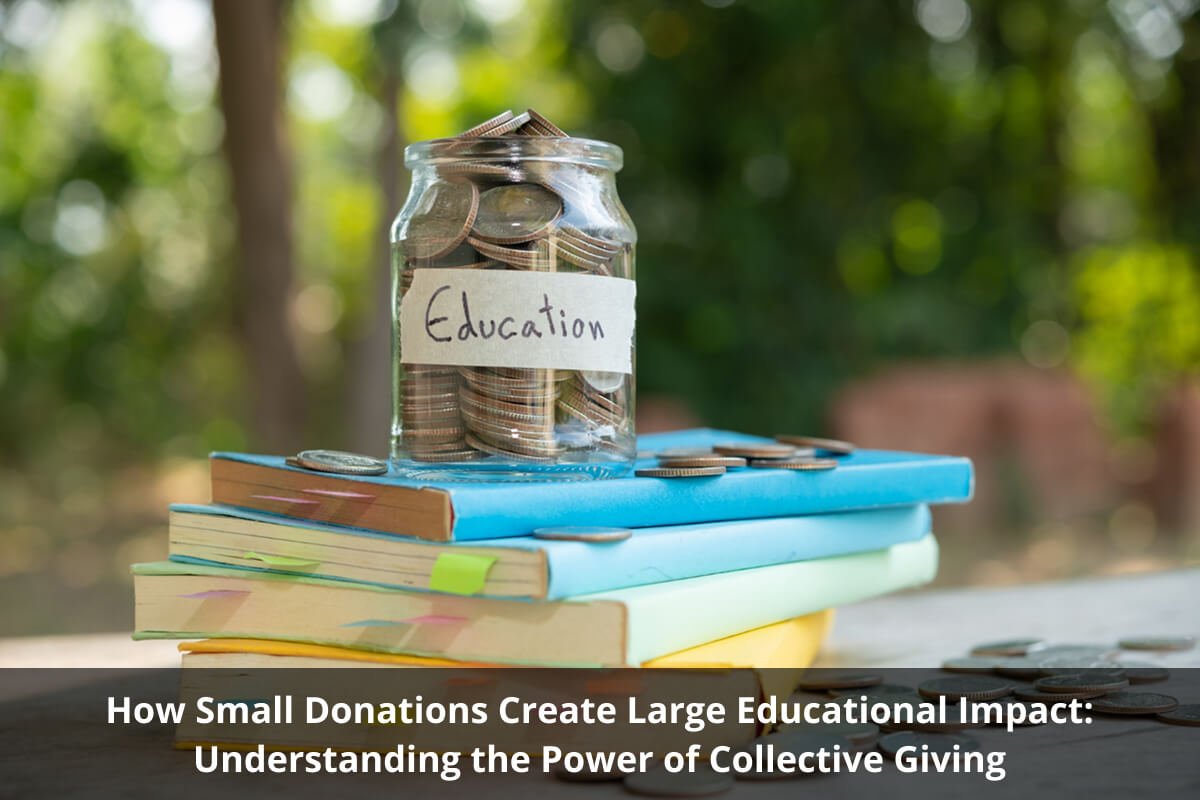
Collective giving is the idea that big change does not have to start with one huge check or one person being the “hero” . It can start kind quietly when lots of people decide to pitch in a small amount for a shared purpose. For eg. in education, collective giving can help neighborhoods sort of come together, support students, open chances and build a longer lasting difference.
Definition of Collective Giving
Collective giving happens when a group of people contributes small or medium amounts toward one common cause. Instead of depending on a single donor, the effect is built through shared support.
How It Works
Usually, a bunch of individuals donate what they can then the money gets pooled up together to help with stuff like scholarships, school essentials, advising or student support programs and yes it’s also kind of unpolished. So, basically lots of hands contribute to the result even if it’s a bit unglamorous.
Examples of Collective Impact
A circle of donors pooling money for one student’s education or a community raising funds for school supplies are simple examples. Small gifts, taken together, can create bigger results than anyone might expect alone.
Difference from Large Donations
Big donations often come from one source. Collective giving is the opposite it relies on many people contributing smaller amounts. The emphasis stays on shared responsibility plus community participation not just one big moment.
Growing Trend in Philanthropy
Lately, more people seem to be leaning toward group giving because it makes philanthropy feel more neighborly, more reachable and more workable for communities that are in need of a small lift. It’s almost like the whole thing feels steadier and slightly less formal, compared to going it alone you know.
Why Small Donations Matter More Than You Think
Most people sort assume that only huge donations create real change but honestly small contributions often do more than expected. When lots of folks give a bit, the support feels steadier and stronger, it becomes easier to keep going year after year.
Accessibility for Everyone
Even small donations help, like more people can join in, without it being such a burden. You can give, if your budget is kind tight or you know, not very big but you still want to be part of something meaningful.
Consistency Over Size
Regular, modest giving usually does a longer job. When support stays steady the programs stay active, and students can count on ongoing help, instead of waiting for a one time moment when assistance shows up.
Building a Culture of Giving
When people contribute together it builds a kind of social momentum—more empathy, more responsibility and community support. It also nudges other people to join in.
Reducing Dependency on Large Donors
If the funding comes from many smaller donations, there’s less pressure on a small group of major contributors. That usually means a more stable support system.
Creating Scalable Impact
As more individuals join, small donations can expand into bigger resources, which then can support more students, more schools, and additional educational opportunities.
The Psychology Behind Small Contributions
People tend to jump in more often when giving feels kind of simple, meaningful and manageable, I mean not overwhelming. Small donations take away pressure and they help individuals feel linked to something bigger a larger purpose. Over time those little actions stack up personal satisfaction and a wider collective effect.
Lower Barrier to Entry
Tiny contributions feel easier, also more in reach, so it can be simpler for more folks to participate without the usual financial stress.
Sense of Participation
Even when someone gives a small amount they still get that sense of participation, like they’re contributing to genuine improvement and real difference.
Emotional Connection
When donors notice how their backing helps students or nearby communities, they often feel more emotionally attached to the cause, and honestly, more invested.
Habit Formation
When you give smaller amounts, every so often, it kind of can turn simple generosity into a routine, not just once, it also gives a steady nudge for long range kindness as time goes. Over it, it feels more natural, like a habit that sticks.
Collective Responsibility
Little donations also, sort of quietly remind people that social change is one shared thing, a joint project where everyone can contribute, in their own way and pace. It’s not only about a single person it’s about everyone participating, even with small modest effort.
How Small Donations Add Up to Big Impact
A single small donation might feel rather limited , but when a lot of people chip in together the outcome starts rising fast. Those smaller amounts collected in a steady way can help fund educational programs, scholarships and other student chances over time. The real punch of this shared giving thing is in the numbers. Many tiny actions put together create a calmer form of support, it helps causes expand and it keeps making a difference.
Power of Numbers
When more people contribute, even modest sums can become real financial backing for important causes.
Aggregation of Contributions
Small donations pile up over time, and that creates the budget for schooling support, mentorship and programs focused on student growth.
Sustainable Funding Model
Regular small contributions can build a more stable, reliable stream of backing, instead of counting on one-off large gifts.
Consistent Support for Programs
Steady donations let educational programs keep running, without unexpected pauses so students get ongoing encouragement.
Long-Term Impact Creation
Over time, collective giving builds durable change by supporting more students and opening doors for future success.
| Contribution Type | Impact Level |
|---|---|
| Individual small donation | Limited alone |
| Collective small donations | High cumulative impact |
| Large donation | High but limited scalability |
Where Small Donations Are Used in Education
Small donations might look modest at first, but they still end up backing real parts of a student’s educational road. When they stack together, these contributions can ease financial pressure and make learning easier to reach for students who really need that extra support. From classroom supplies to practical skill building experiences, collective giving tends to build better learning moments and a steadier future ahead.
Tuition and Fees Support
Small donations can help students pay tuition fees, exam costs or other school related expenses that might otherwise slow down access to learning, or even stop it.
Learning Materials and Resources
Contributions usually end up with books, study materials, digital tools, uniforms or some other learning essentials you need to stay on track and take part even when things get busy.
Infrastructure Development
Donations can help fund nicer classrooms, libraries, computer rooms and other spaces so the learning setting runs more smoothly and honestly just feels a lot better overall.
Skill Development Programs
Funding may cover workshops, career guidance, mentorship, communication skills sessions, or training programs that prep students for upcoming options in life.
Emergency Educational Support
Small donations can act fast when something unexpected happens, giving urgent financial help so students can keep going, without a big interruption.
Impact on Students’ Educational Journey
Small donations can, in a real way, make a meaningful difference in a student’s life. They help remove the sorts of barriers that usually slow education down, or just flat out limit it. When students get help in time, they spend less energy on confusion, and more on learning, growing, and building a steadier future.
Access to Education
Education access is not just a nice idea. Financial support keeps students with their studies, but it also acts like a kind of bridge to learning, something they might not be able to cover otherwise.
Reduced Financial Stress
When tuition and related expenses are taken care of by support, families and students often end up feeling calmer, so there’s more mental space for studying and gradual improvement rather than nonstop worry, all day long.
Improved Academic Performance
With access to resources, and with stable support, plus fewer financial distractions, students often do better academically.
Increased Confidence
Scholarships or donations—this kind of encouragement—helps students trust themselves more. They’re more likely to stay committed toward their goals, even when things feel difficult.
Long-Term Career Opportunities
Education support helps students build skills finish what they started, and reach higher quality career opportunities later on.
Real-Life Examples of Collective Giving Success
Collective giving has helped a lot of students keep going with their education because communities, donors, and shared efforts sort of meet together. Even small contributions, when they’re added up can fund scholarships, learning activities and other chances that really shift lives. These examples make it clear, that real impact can happen when people show up together with one shared aim, supporting education and future progress.
Community-Funded Education Programs
Quite a number of education programs are backed by groups of donors who team up, they contribute together so students can get learning access, school tools and mentorship guidance.
Student Sponsorship Models
In sponsorship programs, several people might put in small amounts to help with a student’s education expenses so the support becomes more affordable and steadier over time.
Crowdfunding Success Stories
Online fundraising campaigns usually pull in a lot of smaller contributions together, those funds help students pay fees, grab study materials, and keep them enrolled in higher education.
Long-Term Student Outcomes
Students who get support through community funding often see a better education overall, stronger career opportunities and more self-assurance when it comes to reaching their plans.
Impact on Communities
When learners make it, communities too tend to benefit through better jobs, stronger local progress and a kind of community mindset that respects education and keeps building growth.
Role of NGOs in Managing Small Donations
Small donations can do a surprising amount of good, but only if they are handled in the right way and aimed toward the proper needs. NGOs sort of act in the background, collecting, arranging and then putting these contributions to work for students and schooling initiatives, in a steady, practical way.
Efficient Fund Allocation
NGOs help route donations to the places that matter most, for example tuition support, study materials, or student growth activities.
Monitoring and Reporting
When there is frequent checking, with updates, it can show kind of how the money is used and what results appear for students, and also for their wider communities.
Ensuring Transparency
If the process is clean and the updates are regular, donors can actually see how their contributions are shifting things, little by little in day to day terms.
Scaling Programs
With steady assistance, NGOs can extend educational efforts and start reaching more students over time, even when the starting contributions are modest.
Building Donor Trust
When organizations can show responsibility and prove outcomes, supporters feel safer continuing to back the mission, instead of wondering where the funds go.
Transparency and Trust in Donation Utilization
People tend to give more often, when they kind know their donations are being handled responsibly and not just you know misplaced somewhere. Transparency makes it easier for donors to see where the money goes, and in what way it supports students their programs and the broader educational opportunities.
Clear Reporting Systems
Regular reports plus ongoing updates make it simple for donors to understand how their contributions are being used and what results are coming out of it.
Impact Tracking
When results are tracked, it becomes easier to see how donations help students ,strengthen learning options and support a real educational momentum. It’s not only numbers it’s also the progress that matters.
Donor Communication
Sharing ongoing updates, success stories and even small progress notes helps donors remain informed and connected to the cause. That connection matters, even when life gets busy.
Accountability Measures
Strong systems, careful fund management and regular reviews make sure donations are actually used properly. It’s basically the safety net that keeps everything aligned.
Building Long-Term Trust
When donors see honesty, clear openness and actual measurable results, they’re more prone to continue supporting educational initiatives over time. Not only once but again and again, with steadier confidence.
How Small Donations Support Long-Term Change
Small donations can feel tiny at first, like, it’s nothing huge, but somehow they still really help. Sure, the support can be immediate yet the meaningful impact tends to show up much later. If people keep contributing steadily, they help educational efforts stay alive, and that creates benefits that linger for students, families and whole neighborhoods.
Sustaining Education Programs
Regular donations keep learning programs running without awkward interruptions and help maintain real, ongoing support for students.
Creating Generational Impact
When students get a chance at education, the effects often drift outward, supporting families and, later, future generations too through improved prospects and stronger beginnings.
Supporting Continuous Learning
Even small donations support continued study over time. They cover resources, training, mentorship and other educational access that students need to keep moving forward.
Building Community Development
Educated people usually end up strengthening communities. With better skills more stable work, and healthier social growth the whole area benefits.
Breaking Poverty Cycles
Education can shift the trajectory. It helps students access better careers, build stronger financial footing and follow a longer route toward lasting improvement.
Common Misconceptions About Small Contributions
A lot of people kind of pause when it comes to donating, because they think that small contributions just can’t really shift anything. But when those donations are paired with support from others, even something modest can turn into educational opportunities that matter and it can keep working in the long run too. Getting clear on these misconceptions helps people realize that giving together is not only powerful, but also practical and it can be a real driver of change over time.
“Small Donations Don’t Matter”
It’s true that a single amount might look tiny, however a small contribution turns into something significant when many people pool their support toward the same intention.
“Impact Is Too Limited”
Small donations frequently cover very specific needs like books, administration fees, mentorship sessions or student programs which then lead to educational gains that last.
“Only Large Donors Create Change”
This idea misses the point. Real change often emerges from communities made up of many supporters, where numerous smaller contributions combine and the impact shows up in a steady way.
“Results Are Not Visible”
Even when donations aren’t flashy, many organizations share progress through updates, student stories and formal reports so people can see what’s improving.
“Donations Are Not Used Effectively”
Reliable organizations run reporting and tracking, plus they keep things transparent, so funds are managed responsibly and directed toward what’s needed most without drifting.
How Individuals Can Participate in Collective Giving
Making a difference does not always need a big donation. Sometimes, small steady efforts from people can support education and gradually build real, meaningful chances for students, over time. Collective giving gets stronger when more individuals step in share what they can and nudge other people to back a shared reason not just a personal one.
Regular Small Contributions
Paying small amounts on a consistent basis can help form dependable support for scholarships, learning tools and student programs.
Participating in Campaigns
Taking part in fundraising or education support campaigns helps individuals aim their help at one common goal with others.
Supporting NGOs
Donating to well trusted NGOs can make sure funds are directed toward students, learning access and development initiatives.
Volunteering and Advocacy
People can lift education outcomes too, by giving time volunteering, trading know-how, or just spreading awareness about the things that matter most, in daily life.
Encouraging Others to Contribute
When you push or inspire friends, family or even your nearby community to jump in the overall impact grows and then it means more learners who are facing difficulties can be supported through that shared effort
Challenges in Scaling Small Donations
Small donations can absolutely create a big impact, yet turning those efforts into something larger is… well, not simple. Typically, organizations have to build awareness keep trust intact, and make sure the support stays consistent so students keep getting helped in a real ongoing way. Actually overcoming these issues matters a lot not just for short term results but for long lasting educational impact and for making community giving more sustainable.
Donor Awareness
A lot of people just don’t notice how even small donations can still make meaningful change and that sort of no knowledge can lower participation even when the need seems pretty obvious.
Trust and Transparency Issues
Potential donors may be reluctant or pause entirely if they don’t feel certain about how money is handled and what it’s used for in practice.
Consistency of Contributions
Small gifts often work best when they arrive regularly but keeping donor interest going isn’t easy over time because priorities change, budgets tighten and attention kind drifts to other things.
Administrative Costs
To run the giving work, handle the reporting, and also support the daily program tasks takes staff time and resources. All those pieces need to be managed in a clear way so the help actually reaches the correct beneficiaries, not just ends up stalled somewhere in the middle.
Program Scalability
Once programs expand, organizations need better systems, stronger partnerships and smarter funding strategies to keep helping more students effectively without losing quality along the way.
FAQs About Small Donations and Impact
A lot of people wonder like really wonder how small donations can turn into something meaningful and yeah, the answer isn’t always obvious. In practice, even small contributions can help a whole lot especially when they’re paired with community support and then used in the right way.
FAQs About Small Donations and Impact
A lot of people wonder like really wonder how small donations can turn into something meaningful and yeah, the answer isn’t always obvious. In practice, even small contributions can help a whole lot especially when they’re paired with community support and then used in the right way.
Q1. Do small donations really make a difference?
Yes. Small donations add up over time and when they’re stacked with support from many people, they can end up funding education, useful resources and a student program or two.
Q2. How are small donations used in education?
They might go toward tuition fees, books, learning materials, skill-building workshops or emergency needs connected to schooling.
Q3. What is collective giving?
Collective giving is when a group of people each contribute small amounts toward one shared aim and somehow the results feel bigger than if each person acted alone. It’s like a subtle joint effect that builds over time and adds up.
Q4. How can I contribute effectively?
You can contribute effectively by giving regularly even with small amounts and choosing well-verified NGOs joining different campaigns or helping spread the word so others also come in. Overall, it tends to work best when you stay steady supportive not just once like not only a single moment.
Q5. Why are small donations important for NGOs?
Because they support long-term reliability, help NGOs reach more students and keep educational initiatives going even when budgets get tight.
Key Takeaways
Even the tiniest bit of giving can matter, like real meaningful change , but only when it’s tied to collective action. Those small donations might feel, kind of limited on their own… yet together they help build chances, support daily lives, and back longer-term community building. The real effect of giving is mostly about consistency and showing up. Someone might give each week or just sometimes, still every effort counts, and it adds up toward causes that matter, and it strengthens the overall reach of organizations doing social good. Small donations create big collective impact Lots of little contributions at once can fuel purposeful programs and enduring change. Consistency matters more than the amount Ongoing giving, even if it is small, keeps continuous support moving for important causes. NGOs enable scalable impact NGOs use donations to widen program coverage, help more people, and track measurable results. Everyone can contribute Good outcomes become possible when people join in according to what they can do, regardless of the donation size.
Every Contribution Counts: Be Part of the Change
Making something genuinely meaningful it turns out doesn’t always require big contributions or grand gestures. Sometimes it’s more like small, careful actions—donating a little, volunteering a few hours, or just spreading awareness— that in combination can make a real difference in how people live, day to day, and it quietly supports the wellbeing of entire communities. Those small contributions really do stack up, and they start to feed into a broader intent that leans into positive impact. When people back credible organizations, and social initiatives they’re basically stepping into a shared undertaking that aims to improve access to education, better healthcare, more opportunities for personal growth, and community development. So yeah, even a tiny step right now can help shape a longer lasting shift for tomorrow.





Post a Comment